

The Maldives has more than 160 resorts, and almost all of them have a dive center. So how do you figure out which one is right for you? At HolidayVibe Maldives, we've helped hundreds of divers find the right resort — and the question we always get first is: where do I even start narrowing this down?
Here's the honest answer: it depends on what kind of diver you are and what you want to see. Someone chasing whale sharks has different needs than a beginner looking for calm, shallow reefs. A photographer who wants unlimited house reef access has different priorities than someone planning one or two boat dives per day.
This guide walks you through what actually matters when choosing a diving resort in the Maldives — house reef quality, dive center credentials, which atolls are best for different marine life, and how to match a resort to your experience level and budget. No fluff, just practical advice.
 Maseeh
Maseeh
Maseeh


🎯 Quick Takeaways
💡 What most divers miss
Almost everyone picks a resort by star rating or price. The single factor that separates a good dive trip from a great one is house reef quality — a strong reef means unlimited diving right from shore, no boat schedule, no extra fees. A 4-star resort with an exceptional reef beats a 5-star resort with a mediocre one every single time. Choose the reef first, then the room.
What Actually Matters When Choosing a Diving Resort
When you're comparing dive resorts in the Maldives, there are six things worth paying close attention to. Everything else is secondary.
House Reef Quality
A great house reef means unlimited diving and snorkeling right from shore. Some resorts have spectacular reefs; others have sandy lagoons with little to see.
Dive Center Standards
Look for PADI 5-Star centers, experienced instructors, well-maintained equipment, and a schedule that fits your pace. Group sizes matter a lot.
Atoll Location
South Ari is known for whale sharks. Baa has the famous manta aggregations. Vaavu offers thrilling channel dives. Choose the atoll that matches what you want to see.
Proximity to Dive Sites
Some resorts sit right next to famous dive sites. Others require long boat rides. Shorter travel time means more time underwater and less fatigue.
Diving Costs
Diving is usually charged separately from your room rate. Look for multi-dive packages, included house reef diving, or all-inclusive plans that bundle everything together.
Non-Diver Friendly
Traveling with someone who doesn't dive? Make sure the resort has enough to keep them happy — spa, water sports, excursions, good food.
💡 A Note on Star Ratings
A 5-star luxury resort doesn't automatically mean better diving. Some of the best dive resorts in the Maldives are actually mid-range or 4-star properties. Vilamendhoo, for example, is a 4-star resort with one of the most celebrated house reefs in the country. Don't assume more expensive means better underwater experiences. Choose based on diving criteria first, then filter by comfort level.
Understanding House Reefs (And Why They Matter)

Every island in the Maldives sits on a coral foundation. The living reef around the island edge is called the "house reef." But here's the thing — not all house reefs are equal.
A good house reef has healthy coral, diverse fish life, easy shore access, and interesting features like drop-offs, overhangs, and swim-throughs. You can snorkel or dive there anytime without paying for a boat trip. At the best house reefs, you'll see turtles, reef sharks, rays, and schools of colorful fish within minutes of entering the water.
Some resorts — especially those with large sandy lagoons — don't have a proper house reef at all. Others have reef but it's damaged or difficult to access. If house reef diving matters to you (and for most divers, it should), research this before booking.
What to Look For in a House Reef
- Proximity: Can you access the reef directly from the beach or water villa jetty?
- Entry points: Are there marked channels through the shallow reef flat?
- Depth range: Does it have both shallow snorkeling areas and deeper sections for diving?
- Coral health: Has it recovered well from past bleaching events?
- Marine life: What residents are commonly seen? Turtles, sharks, rays?
- Night diving: Does the resort allow guided or independent night dives on the house reef?
🏠 Resorts Known for Exceptional House Reefs
Some resorts have earned a reputation specifically for their house reefs. These include Vilamendhoo, Anantara Kihavah, Baros, Kandolhu, Constance Moofushi, Park Hyatt Hadahaa, Angaga, Mirihi, and Ellaidhoo. There are many others worth considering depending on your budget and preferred atoll.
Types of Dive Sites in the Maldives
When you hear dive guides talking about "thilas" and "kandus," they're referring to different underwater formations. Understanding these helps you choose the right resort and know what to expect. For a full breakdown of specific named sites by atoll, see our complete Maldives Dive Sites guide.
Thilas (Underwater Pinnacles)
Submerged rock formations rising from the ocean floor. Covered in soft corals and surrounded by fish schools. Currents can be manageable. Famous examples: Maaya Thila and Kudarah Thila in Ari Atoll.
Kandus (Channels)
Gaps in the atoll rim where water flows with the tides. Strong currents bring nutrients and attract big marine life — sharks, rays, tuna, mantas. Thrilling but best suited for experienced divers. Fotteyo Kandu in Vaavu is world-class.
Giris (Shallow Pinnacles)
Similar to thilas but shallower, sometimes breaking the surface. Calmer conditions make them ideal for beginners and snorkelers. Turtles often rest at cleaning stations on giris.
Wrecks
The Maldives has several wrecks, mostly intentionally sunk to create artificial reefs. The Maldives Victory near Malé is popular. Some house reefs have their own small wrecks — like at Dhawa Ihuru.
🎓 Match the Dive Site to Your Experience
If you're a beginner or intermediate diver, look for resorts with access to thilas, giris, and protected reef areas. Channel dives with strong currents are exciting but require good buoyancy control. New to diving? Our beginner's guide to diving in the Maldives covers everything you need to know before your first dive.
Which Atoll for Which Marine Life
The Maldives stretches across 26 atolls, each with its own underwater personality. Your choice of atoll determines what you're most likely to encounter. Here's a practical breakdown:
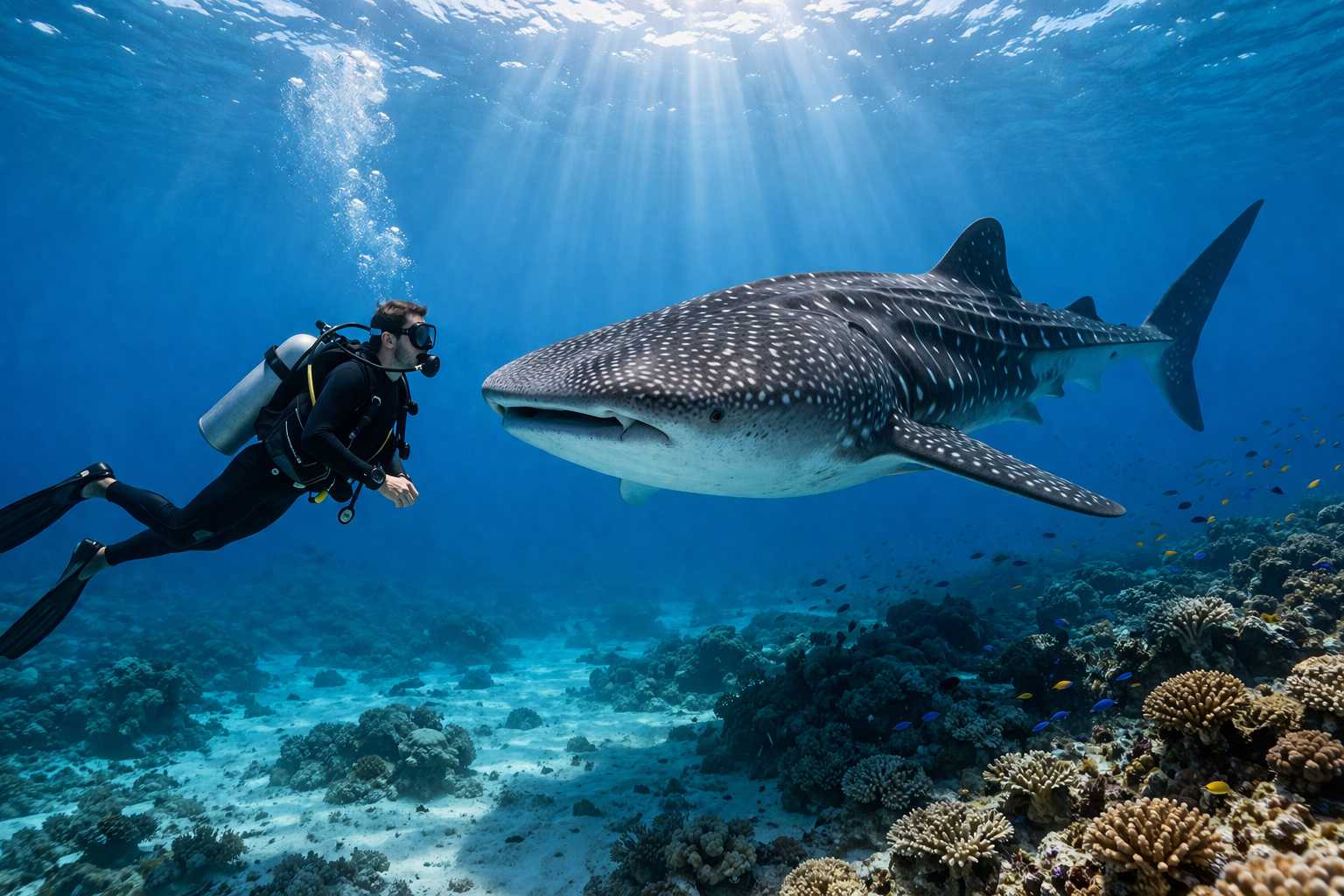
South Ari Atoll — 🐋 Best for: Whale Sharks (year-round)
The South Ari Marine Protected Area, managed by the Maldives Marine Research Institute, offers near-guaranteed whale shark encounters. These gentle giants patrol the area throughout the year, though sightings peak around full moons. Also excellent for manta rays and diverse reef diving at sites like Kudarah Thila and Broken Rock.
Popular dive resorts: LUX* South Ari, Vilamendhoo, Constance Moofushi, Lily Beach, Diamonds Athuruga, Mirihi, Angaga

Baa Atoll (UNESCO Biosphere Reserve) — 🦑 Best for: Manta Ray Aggregations (June–November)
Home to Hanifaru Bay, where hundreds of manta rays gather to feed during plankton blooms. It's snorkeling only (to protect the mantas), but witnessing dozens of rays spiraling together is unforgettable. The surrounding reefs offer excellent diving too, with thilas like Nelivaru and Dhonfanu.
Popular dive resorts: Anantara Kihavah, Dusit Thani, Vakkaru, Milaidhoo, Soneva Fushi, Four Seasons Landaa Giraavaru

North Malé Atoll — ⏱️ Best for: Quick Access & Variety
Close to the international airport, this atoll offers excellent diving with minimal transfer time. Famous sites include Banana Reef, HP Reef (Girifushi Thila), and Manta Point (seasonal mantas December–March). Great for shorter trips when you want to maximize dive time rather than transfer time.
Popular dive resorts: Baros, Kurumba, OBLU Nature Helengeli, Bandos, Banyan Tree Vabbinfaru, Dhawa Ihuru, Taj Coral Reef

Vaavu Atoll (Felidhoo) — 🦈 Best for: Channel Dives & Shark Action
Known for thrilling channel dives with strong currents that attract grey reef sharks, whitetips, and eagle rays. The famous Alimatha night dive brings nurse sharks right to the jetty. Not for beginners, but experienced divers rate Vaavu among the best in the Indian Ocean. Fotteyo Kandu is world-class.
Popular dive resorts: Alimatha

Lhaviyani Atoll — 🚢 Best for: Wrecks & Eagle Rays
Home to one of the Maldives' largest dive operations at Kuredu. The atoll features shipwrecks, healthy reefs, and regular eagle ray sightings. The famous Kuredu Express offers exciting shark diving. Great variety for week-long dive trips, and the resorts here tend to attract seriously dedicated divers.
Popular dive resorts: Kuredu, Komandoo, Hurawalhi, Kudadoo, Fushifaru

North Ari Atoll — 🐢 Best for: Diverse Diving & Night Dives
Famous sites like Maaya Thila and Fish Head (Mushimasmingili Thila) deliver reliable shark encounters. The atoll is known for its variety — protected thilas, drift dives, and excellent night diving. A good balance of accessibility and marine life with resorts at several price points.
Popular dive resorts: W Maldives, Conrad Rangali, Constance Halaveli, Kandolhu, Ellaidhoo, Gangehi
For a complete breakdown of named dive sites by atoll, skill level, and what marine life to expect at each one, see our full Maldives Dive Sites guide.
Plan Your Maldives Dive Trip
Thanks! We'll be in touch.
We'll send personalized resort suggestions within 24 hours.
No spam, ever. Privacy Policy
Evaluating the Dive Center
A resort can have a perfect location, but if the dive center is poorly run, your experience suffers. Here's what to check before you book — and the questions worth asking directly.
Certifications That Matter
Look for PADI 5-Star Dive Centers or PADI 5-Star Instructor Development Centers (IDCs). These designations mean the center meets high standards for training, equipment, and safety. SSI-certified centers are also excellent. Resorts like Kuredu and Komandoo are home to some of the largest PADI operations in the country.
Questions Worth Asking Before You Book
- What's the maximum group size per dive guide? (Smaller is better — ideally 4–6 divers)
- How do you group divers by experience level?
- What's included in a dive package? Tanks, weights, boat, guide?
- Do you offer nitrox? Is there an extra charge?
- How often is rental equipment serviced?
- What courses are available? Can I complete eLearning before arrival?
- Is house reef diving included or charged separately?
- Do you offer underwater photography guidance or workshops?
- Are dive guides multilingual? (Most major centers have English, German, Italian, French, Chinese, and Japanese speakers)
- Do you have a resident marine biologist? (Luxury resorts like Six Senses Laamu and Anantara Kihavah do — they lead educational dives and conservation programs)
- Is the center eco-certified? (PADI AWARE and Green Fins certified centers operate with sustainable practices)
Typical Diving Costs at Resorts
For a full breakdown including local island prices vs resort prices and how to save, see our Maldives Diving Costs guide. Here's the quick reference:
| Service | Typical Price (USD) |
|---|---|
| Single boat dive | $50–$80 |
| 5-dive package | $220–$350 |
| 10-dive package | $400–$650 |
| Night dive | $65–$100 |
| PADI Open Water course | $450–$600 |
| PADI Advanced Open Water | $350–$500 |
| Discover Scuba Diving | $120–$180 |
| Full gear rental (per dive) | $15–$30 |
| Nitrox fills (per tank) | $10–$15 (free at some resorts) |
| Underwater camera hire | $30–$60 per dive |
Some resorts — especially all-inclusive properties like Lily Beach, Constance Moofushi, and Atmosphere Kanifushi — include diving in their packages. If you plan to dive frequently, these offer real savings.
For certification options and the best PADI centers in the Maldives, see our guide to PADI dive resorts in the Maldives.
Equipment, Specialties & What Resorts Provide
One of the most common questions we get: what equipment do I actually need to bring? Short answer: less than you think.
What Every Resort Dive Center Provides
Nitrox (enriched air) is available at most PADI 5-Star centers — usually for an extra $10–15 per tank, though some resorts like Vilamendhoo and LUX* South Ari offer it free. Underwater camera systems, DPV scooters, and rebreather compatibility are available at select centers — confirm with your resort before booking if these matter to you.
What's Worth Bringing Yourself
Your own mask is the single most valuable piece of personal gear — fit and seal make a real difference over multiple dives. A dive computer, wetsuit (3mm is sufficient), and dive logbook are also worth bringing if you own them. Everything else you can rent without compromise.
Specialty Courses Available in the Maldives
The Maldives' conditions make it ideal for specialty training. Popular courses beyond Open Water include Enriched Air Nitrox (for longer bottom times), Deep Diver, Night Diver, Drift Diver (perfectly suited to Maldives channels), Underwater Photography, Wreck Diver, and Peak Performance Buoyancy. Some resorts offer Maldives-specific programs like manta ray identification and shark ecology courses.
📸 Underwater Photography
If photography is a priority, look for resorts with dedicated photography guides, camera rental systems, and rinse tanks. Four Seasons Landaa Giraavaru, Six Senses Laamu, and LUX* South Ari all offer strong underwater photography support. Visibility of 20–30m in the dry season makes the Maldives one of the best photography destinations in the world.
🏡 Diving from Local Islands — The Budget Alternative
You don't have to stay at a resort to dive the Maldives. Local island guesthouses on islands like Fulidhoo (Vaavu), Dhigurah (South Ari), and Dharavandhoo (Baa Atoll) give you access to the same dive sites as nearby resorts — often on the same boats — for a fraction of the cost. Dive shops on local islands typically charge $50–60 per dive versus $70–100 at resorts. See our local island diving section for the best islands and what to expect.
Seasons and Timing
The Maldives offers year-round diving, but conditions shift noticeably with the two monsoon seasons. Here's what each brings:
Northeast Monsoon (December–April)
The dry season. Calmer seas, better visibility (often 30+ meters), and predictable conditions. Best for beginners, underwater photography, and anyone nervous about rough water. Manta rays favor the western sides of atolls. Peak tourist season — book early and expect higher prices.
Southwest Monsoon (May–November)
Wetter with occasional wind, but this is when plankton blooms attract the big stuff. Peak manta season in Baa Atoll. Whale shark activity increases in South Ari. Visibility can be lower, but marine encounters are often more spectacular. Lower prices and fewer tourists.
📅 When to Book for Specific Marine Life
For detailed seasonal guidance, check our complete Maldives Diving guide.
Finding the Right Type of Diving Resort
Diving resorts come in different flavors. Depending on your priorities and budget, one type will suit you better than another. We have dedicated guides for each:
 🏆
🏆
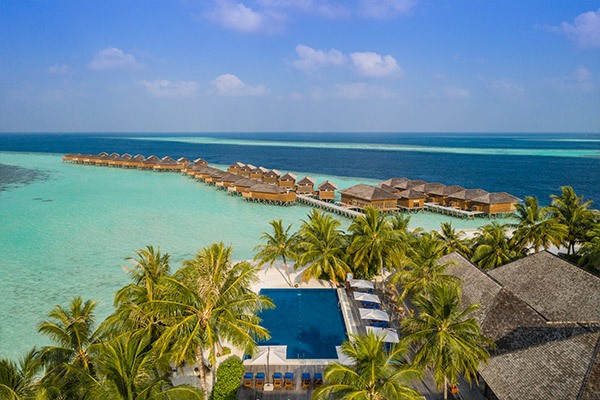
Best Diving Resorts
Top-rated resorts for serious divers, ranked by house reef, dive center quality, and site access
 💰
💰
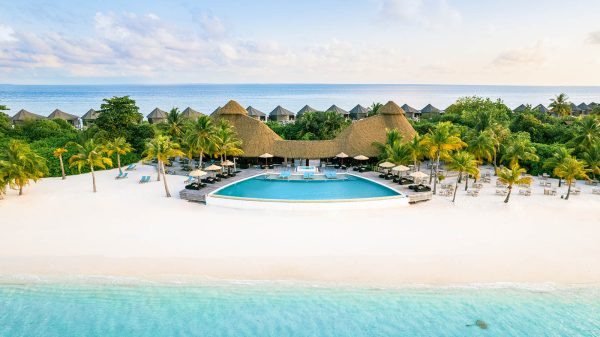
Budget Dive Resorts
Affordable options that don't compromise on diving quality — from $170/night
 ✨
✨
Luxury Dive Resorts
5-star service meets world-class diving — marine biologists, private dhonis, butler service
 🎓
🎓
PADI Dive Resorts
Certified 5-Star PADI centers ideal for courses, certifications, and skill development
 🏄
🏄
Diving & Water Sports
Perfect for mixed-interest couples or groups who want more than just diving
 🍽️
🍽️
All-Inclusive Dive Holidays
Resorts where meals, drinks, and sometimes diving are bundled — best value for frequent divers
 🐠
🐠
Beginner Diving
Never dived before? Calm house reefs, PADI courses, and what to expect on your first dive
🤔 Not sure where to start?
If you're feeling overwhelmed by options, tell us what kind of diving you're after and we'll narrow it down for you. Use the form above or reach out on WhatsApp — we're based in the Maldives and we're happy to help you find the right fit.
Resort vs Liveaboard: Which is Right for You?
It's a question that comes up constantly: should I book a dive resort or go on a liveaboard? Both have their place, and the right choice depends entirely on what you want from the trip.
A liveaboard is a live-aboard dive vessel — essentially a floating dive resort. You sleep, eat, and dive from the same boat for 7–10 days. The Maldives has 30+ liveaboard operators, and they access remote northern and southern atolls that are impossible to reach from land-based resorts. Expect 3–4 dives per day, including night dives, and marine life encounters that resort divers simply don't get.
A resort gives you a fixed, comfortable base with proper beds, restaurants, and activities beyond diving. It's the better choice if you're traveling with a non-diving partner, want spa time between dives, or just aren't ready to live on a boat for a week.
🤿 Choose a Liveaboard if...
- Diving is the only reason you're going
- You want 3–4 dives per day
- You want to reach remote southern atolls
- You're happy to live simply for a week
- You're an experienced diver (AOW minimum recommended)
- You want maximum value per dive dollar
🏝️ Choose a Resort if...
- Traveling with a non-diving partner or family
- You want comfort, a spa, or good restaurants
- You're a beginner wanting PADI certification
- You want flexibility — dive when you feel like it
- You prefer a fixed, stable home base
- You want easy house reef access day and night
🚢 Thinking About a Liveaboard?
We're putting together a full Maldives Liveaboard Guide covering the best operators, routes, and what to expect on your first trip. In the meantime, contact us on WhatsApp and we'll point you in the right direction — we work with several reputable liveaboard operators and can help you compare options.
Frequently Asked Questions
What makes a good diving resort in the Maldives?
Three things matter most: a quality house reef you can access from shore, a professional dive center with certified instructors, and proximity to dive sites that match what you want to see. Star rating matters less than these factors. A 4-star resort in the right atoll with a strong reef will consistently outperform a 5-star property with a mediocre one.
Do I need to be certified to dive at Maldives resorts?
No. Most resorts have PADI or SSI dive centers offering beginner courses. You can try a Discover Scuba Diving experience in one day with zero experience required, or complete your full Open Water certification in 4–5 days during your stay. The warm, clear water and patient multilingual instructors make learning here genuinely enjoyable. See our beginner diving guide for everything you need to know before your first dive.
Which Maldives diving resorts are best for beginners seeking certification?
Resorts with calm lagoons, protected shallow reefs, and experienced multilingual instructors are ideal for beginners. Kuredu (Prodivers PADI IDC), Baros (Gold Palm PADI), Meeru (Euro-Divers 5-Star), and Embudu Village are all well-regarded for beginner courses. North Malé Atoll resorts are convenient with shorter transfers.
When is the best time for diving in the Maldives?
Diving is good year-round. December to April has calmer seas and better visibility — ideal for beginners and photographers. May to November brings plankton blooms that attract manta rays and whale sharks. For Baa Atoll manta season, visit June–November. For whale sharks in South Ari, any month works. Shoulder months like May and November offer a good balance of conditions and lower prices.
How much does diving cost at Maldives resorts?
Single boat dives run $50–80 at most resorts. Multi-dive packages offer better value — 10 dives typically cost $400–650. PADI Open Water courses run $450–600. Night dives are usually $65–100 extra. Some all-inclusive resorts bundle diving into their rate, which makes sense if you plan to do 2–3 dives daily. For a full breakdown, see our Maldives Diving Costs guide.
What is a house reef and why does it matter?
A house reef is the coral reef surrounding the resort island that guests can access directly from shore. A good one means unlimited snorkeling and diving without boat trips or boat schedules — you can explore at sunrise, sunset, or after dinner. At the best house reefs, you'll find turtles, reef sharks, rays, and colorful fish just steps from your villa. For most divers, house reef quality is the single most important factor when choosing a resort.
Which Maldives atoll is best for diving?
It depends on what you want to see. South Ari Atoll for whale sharks year-round. Baa Atoll for manta ray aggregations June–November. North Malé for variety and quick airport access — ideal for shorter trips. Vaavu (Felidhoo) for thrilling channel dives with sharks. Lhaviyani for wrecks and eagle rays. Laamu and Huvadhoo for untouched, remote diving. Match your atoll to your wishlist, not to the price.
Is diving in the Maldives safe for beginners?
Yes. Many sites have calm conditions and gentle currents, well-suited to new divers. Thilas and protected reef areas are beginner-friendly. A professional dive center will assess your skills and match you to appropriate sites — you'll never be pushed beyond your comfort level. The Maldives' warm water (27–30°C) and good visibility also make learning to dive easier than most destinations.
What equipment do Maldives diving resorts provide?
All resort dive centers provide tanks, weights, BCD, regulator, wetsuit, mask, fins, and a dive computer for rental. Nitrox is available at most PADI 5-Star centers ($10–15 extra per tank, free at some resorts). Underwater cameras, DPV scooters, and rebreather compatibility vary by center — confirm before booking if these matter to you. The only thing worth bringing yourself is your own mask for a better fit.
How does a liveaboard compare to a resort stay for diving?
Liveaboards maximize dive time — you get 3–4 dives daily and access remote atolls that resort divers never reach. Resorts offer more comfort, better non-diver amenities, and a stable base. Liveaboards suit dedicated divers willing to live simply for a week; resorts suit couples or anyone who wants more than just diving. Budget-wise, liveaboards can offer better value per dive, but resorts win on overall experience for mixed-interest travelers.
Should I bring my own dive gear to the Maldives?
Not essential — all resorts have rental equipment. But bringing your own mask (for proper fit and seal), dive computer, and wetsuit improves comfort over multiple dives. If you dive regularly and have gear you trust, bring it. Rental costs $15–30 per dive for a full set, so it adds up on longer trips. A dive bag with personal items — surface marker buoy, logbook, reef hooks — is also worth considering.
Are there eco-friendly and sustainable dive resorts in the Maldives?
Yes. Several resorts lead on marine conservation. Six Senses Laamu partners with three marine NGOs (Manta Trust, Blue Marine Foundation, Olive Ridley Project). Four Seasons Landaa Giraavaru has run coral restoration programs since 2005. Baros holds EcoDive certification via Reef Check. Look for PADI AWARE and Green Fins certification — these indicate dive centers operating with environmental standards.