

Home › Maldives Excursions › Maldives Snorkeling Excursion
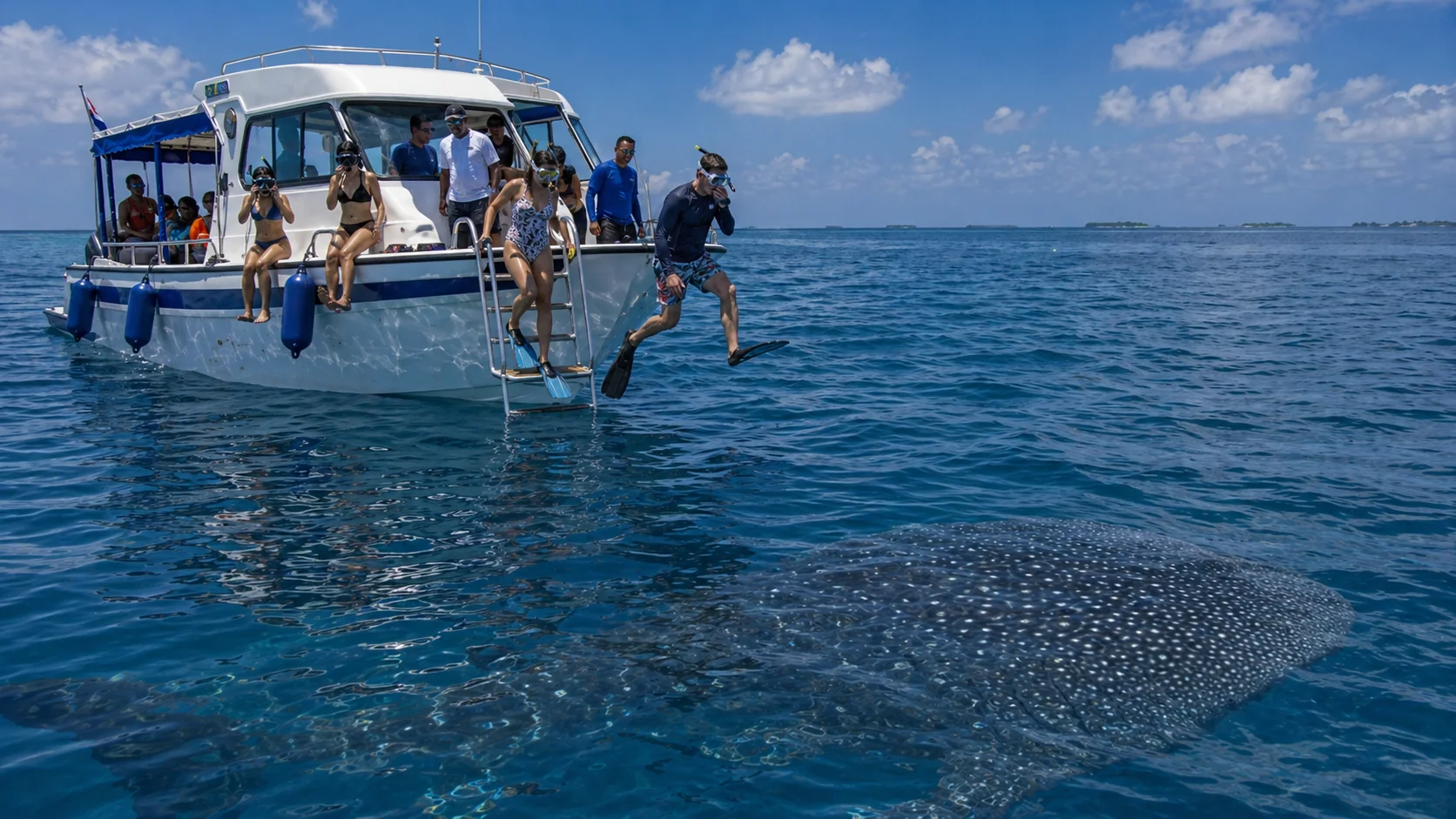
A Maldives snorkeling excursion is usually the easiest way to reach a better reef than the one closest to your hotel or guesthouse. The best trips are chosen by reef style, current level, and island base, not by whoever promises the longest stop list.
A Maldives snorkeling excursion usually means a half-day or full-day boat trip to one or more reefs that offer better coral, easier access, or more marine life than you can reach from shore. Shared local-island trips usually sit around $30-$50 per person, private boats often start around $300-$650 total, and resort-run snorkeling excursions usually land around $60-$140 per person.
The best snorkeling day is not only about seeing fish. It is about choosing the right reef style for your swimming comfort, using a departure island that makes route sense, and avoiding a rushed trip that spends more time bouncing between stops than actually snorkeling.
A snorkeling excursion in the Maldives is not one single product. Some are calm beginner-friendly reef days with shallow entries and gentle current. Others are faster boat trips to deeper reef edges where visibility is better but the water movement can be stronger. The label is the same, but the experience can feel completely different.
The strongest operators are the ones who explain reef type clearly. Ask whether the reef is shallow or deep, whether the guide enters the water, whether the stop is exposed to current, and whether non-swimmers can still enjoy the day with a life jacket or lagoon entry.
In short
The best Maldives snorkeling excursion is the one that matches your swimming comfort and the island you are leaving from. One excellent reef and a calm pace usually beat three average rushed stops.

Not every island offers the same snorkeling day. Start by deciding what kind of reef experience you want, then choose the departure base that suits it.
| Reef style | Best base or region | Why it works | Who it suits |
|---|---|---|---|
| Easy local-island reef hopping | Maafushi, Fulidhoo, Thulusdhoo | Lots of shared departures and good competition on price | First-timers, mixed groups, budget travelers |
| Named North Malé reefs such as Banana Reef and HP Reef | North Malé resorts or Malé / Hulhumalé | Classic reef sites with strong coral reputation | Travelers who care about reef quality more than lowest price |
| Rasdhoo and Madivaru area reefs | Rasdhoo | Clear water, strong reef context, easy sandbank combinations | Travelers who want a calmer island base with reef variety |
| South Ari reef and marine-life routes | Dhigurah and nearby South Ari bases | Good if you want snorkeling plus the option to add bigger marine life on other days | Marine-life priority travelers |
| House-reef support with easy lagoon entry | Strong snorkeling resorts | Convenience and minimal transit | Families, beginners, travelers who dislike long boat time |
Travelers often search named reefs, not just generic snorkeling. These names are useful as orientation points, but availability still depends on the island base, the weather, the operator’s route, and whether the site is practical on the day.
| Named reef | Atoll or zone | Why travelers search it | Best fit |
|---|---|---|---|
| Banana Reef | North Malé Atoll | One of the most recognizable Maldives reef names | Travelers staying in Malé, Hulhumalé, or nearby North Malé resorts |
| HP Reef | North Malé Atoll | Known for stronger coral life and reef structure | Confident snorkelers looking for a more memorable reef day |
| Lankan Manta Point | North Malé Atoll | Seasonal manta context on the right route | Travelers visiting in the right season who want snorkeling with a marine-life angle |
| Madivaru area reefs | Rasdhoo / North Ari | Clear water and easy pairing with sandbank days | Travelers using Rasdhoo as a calmer reef base |
| Selected South Ari outer reefs | South Ari Atoll | Useful when snorkeling is paired with bigger marine-life routes | Marine-life focused travelers already based in South Ari |
Most snorkeling decisions come down to whether you want the value of a shared boat, the control of a private one, or to stay close to a resort house reef and only pay when the trip adds something genuinely better.
Best when you want a practical reef day at the lowest per-person cost. Shared snorkeling trips are strongest from local islands such as Maafushi, Fulidhoo, Thulusdhoo, and Rasdhoo.
Ask about boat size and guide support. A cheaper shared trip can still be weak value if the boat is crowded or the reef choice is poor.
Best for families, photographers, mixed swimming levels, and travelers who want a quieter pace. Private boats let you shorten weak stops, stay longer on a good reef, and avoid being pushed by a bigger group.
The value often improves quickly if two to six people are splitting the boat.
If your resort already has a strong house reef, a paid snorkeling excursion should add different coral, different marine life, or easier conditions for your group. Otherwise, shore snorkeling may already be the better use of your time.
Resort-run snorkeling trips are often polished, but they are not automatically better than a strong house reef right off the beach.
A house reef is best when you want easy snorkeling directly from the island or resort. A boat snorkeling excursion is better when you want different coral, turtles, reef sharks, rays, clearer visibility, or a reef site your island cannot reach from shore.
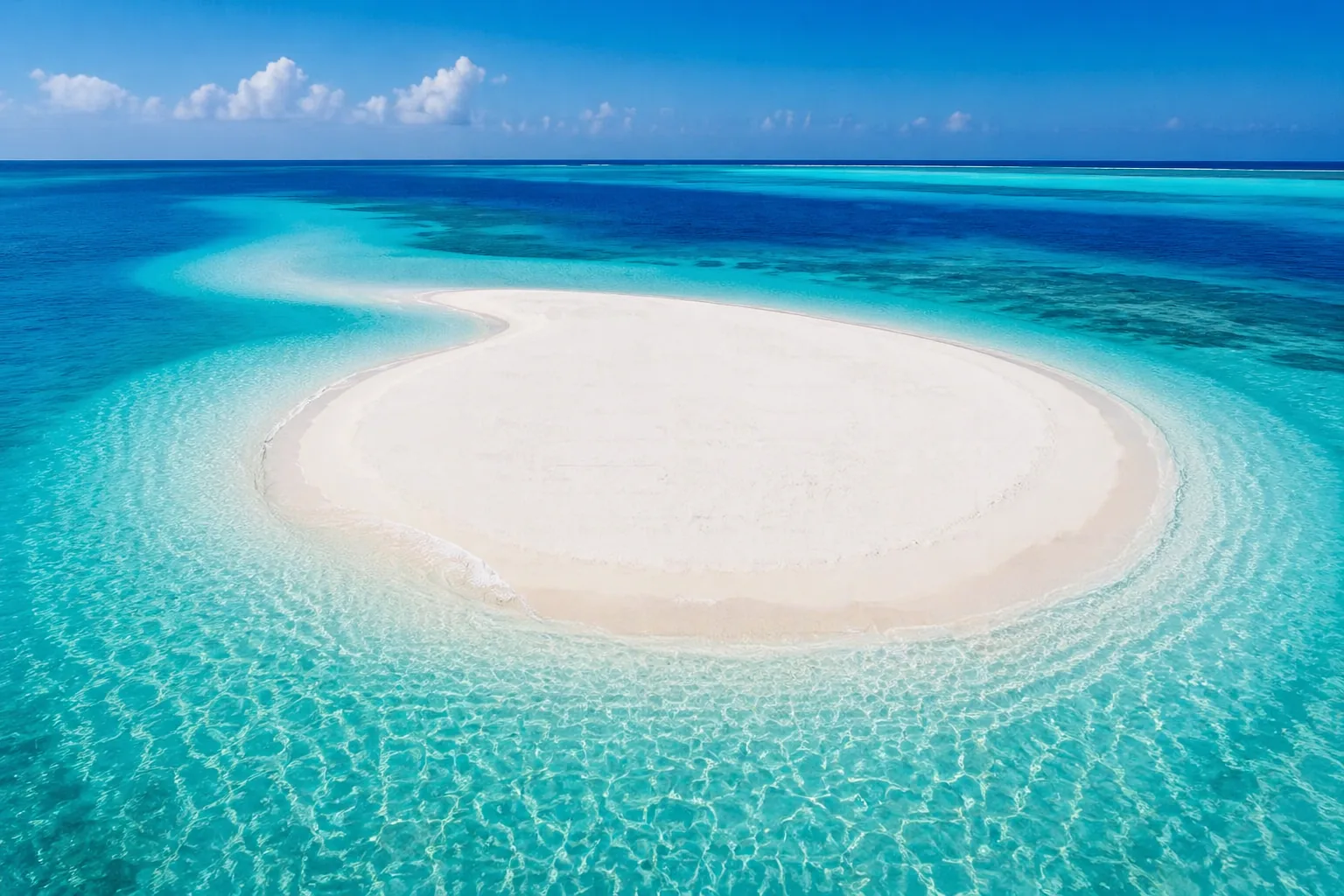
Use the ranges below as planning anchors. The exact number still changes with reef distance, boat size, guide support, and whether you are booking from a local island or a resort.
| Trip style | Planning range | What you usually get | What changes the value |
|---|---|---|---|
| Shared local-island snorkeling | $30-$50 pp | One to three reef stops, guide support, basic gear on many trips | Best value when the reef quality is strong and the boat is not overloaded |
| Private snorkeling boat | $300-$650 total | Flexible reef choice, slower pace, more control over time in the water | Best for families, photographers, or mixed swimming confidence |
| Resort snorkeling trip | $60-$140 pp | Convenient departure, cleaner logistics, polished service | Worth it when the reef sites clearly improve on the house reef |
| Snorkeling package day | $45-$95 pp shared or higher private | Snorkeling plus sandbank, dolphin, or another nearby stop | Good only if the extra stop still fits your main priority |
Price note: Resort snorkeling quotes may be shown before tax and service. Since 1 July 2025, Maldives Tourism Goods and Services Tax (TGST) is 17%, and some resorts also add a 10% service charge, so always compare the final payable total rather than only the base rate.
Key takeaway on value
The strongest snorkeling value usually comes from local-island departures that can reach a good reef fast. The resort premium makes more sense when the convenience, easier entry, or cleaner service actually matters to your group.
Best for new snorkelers, kids, or anyone who wants calmer water. Look for shallow reef edges, guide-in-the-water support, and at least one easy entry stop.
Best when you want one scenic day that mixes easy reef time with a break on the sand. This often works well from Maafushi and Rasdhoo where the route stays compact.
Best for travelers who care about pace, crowding, and photography. A private boat makes it easier to avoid average reefs and spend longer where the reef actually feels good.
Best when snorkeling is still your main goal but you want the option of turtles, rays, or a larger-marine-life route on the right day. This works only from the right atoll and should not be forced from the wrong island.
If you want a deeper marine-life holiday with scuba options, see our Diving in Maldives guide.

December to April usually gives the cleanest overall snorkeling conditions, with calmer seas and clearer visibility on many routes. That does not mean every trip outside those months is poor. It means the operator’s reef choice becomes even more important when weather is less stable.
Morning is usually best. The sea is calmer, the light is easier on the water, and you are less likely to fight wind chop on the surface.
Even in good months, current level can vary hugely between one reef and another. Good crews switch the reef order or move to a calmer side of the atoll when conditions demand it.
| Period | Typical planning visibility | What to expect |
|---|---|---|
| January to April | 20-30m | Usually the cleanest all-round snorkeling season with calmer water on many routes |
| May to August | 15-22m | Still very workable, but wind and swell can matter more depending on reef exposure |
| September to November | 18-25m | Mixed conditions, with some very good days and more route dependence |
| December | 22-28m | Often a return to cleaner water and easier reef planning |
Ask whether the operator has backup reefs, whether the day is refundable or movable in rough weather, and whether the route still suits beginners if the sea picks up.
What you actually see depends on the reef, the atoll, the current, and the time of day. The table below is more useful than a generic promise because it shows what travelers usually care about most when comparing snorkeling trips.
| Marine life | Where it is often associated | How realistic it is on a normal snorkel day |
|---|---|---|
| Turtles | Calmer reef edges and some seagrass-linked sites | Common enough to ask about directly if this is your priority |
| Reef sharks | Healthier reef drop-offs and more exposed reef edges | Possible on many good reefs, but not guaranteed |
| Eagle rays and stingrays | Sandy channels and reef edges | Regular on the right reef, especially with patient guide support |
| Parrotfish, surgeonfish, butterflyfish, triggerfish | Most good coral reefs | Very common on strong everyday snorkeling routes |
| Moray eels and lionfish | Reef crevices and coral structure | Often seen by slower, more observant snorkelers |
| Octopus | Coral rubble, reef patches, and calmer reefs | Possible but more occasional than brochure pages imply |
Snorkeling excursions can be excellent for families, but only when the operator respects comfort level. A family-friendly snorkel day is usually shorter, calmer, and better paced than a more technical reef route.
Three average reefs do not beat one excellent reef and good guide support.
A beautiful reef on paper can still be the wrong reef for a nervous swimmer or child.
If the resort already gives you strong shore access, a paid trip should clearly improve on it.
Late departures often lose the calmest water and the cleanest surface conditions.
Shared local-island snorkeling excursions usually sit around $30-$50 per person. Private snorkeling boats usually start around $300-$650 total, while resort-run snorkeling trips often land around $60-$140 per person depending on reef quality, boat style, and inclusions.
Many are, but not all. Beginner-friendly trips usually use calm reef edges, slower entries, and guides who enter the water with guests. More exposed outer-reef stops are better for confident swimmers.
Only if the excursion adds something different. A paid trip should give you better coral, turtles, calmer conditions for your group, or access to a reef style your resort cannot offer from shore.
Maafushi, Rasdhoo, Fulidhoo, Thulusdhoo, and some strong house-reef resorts are usually the most practical bases, but the best one depends on whether you want easy reef scenery, turtles, or a package with larger marine life.
Reef quality, current level, group size, and guide support matter more than a long stop list. One excellent reef and a calm pace often feel better than three average rushed stops.
Many do, especially shared local-island trips and resort-run excursions, but you should still ask. Some operators include mask, snorkel, fins, and life jacket, while others expect you to bring or rent part of the gear.
Sometimes yes, if the trip includes life jackets, calm lagoon entries, and guide support. Non-swimmers should ask for a beginner-friendly or family-style trip rather than a stronger current reef route.
Morning is usually best because the water is calmer, visibility is often cleaner, and the light is easier on the water. Afternoon trips can still work well, but wind and surface chop are more likely to build.
They usually are for families, mixed swimming levels, photographers, or travelers who want to avoid crowded shared boats. The value is not only privacy, but control over timing and reef choice.
That depends on the reef and the atoll, but common sightings include reef fish, coral gardens, turtles, rays, reef sharks, and sometimes nurse sharks on the right route. Specialist whale shark or manta sightings should be treated as separate products, not assumed on a basic snorkel day.
They can. Good operators often swap to a calmer side of the atoll or change the reef order first, but strong wind, heavy rain, or rough current can still make the day unsuitable.
If snorkeling is your main priority, a dedicated snorkeling trip is often better. If you want one varied day and the route is practical, a package like sandbank plus snorkeling can be excellent value.
Snorkeling trips are often compared with sandbank days, dolphin cruises, Maafushi combinations, and the wider excursion price guide.