

Snorkelling in the Maldives: The Complete Guide

Crystal-clear waters, vibrant house reefs, and marine life you'll remember forever. Here's everything you need to know about snorkelling in one of the world's best underwater destinations.

No certification needed
Year-round warm water (27-30°C)
Visibility up to 30+ metres

Why the Maldives is Perfect for Snorkelling

The Maldives is one of those places where even a simple snorkel from the beach can feel extraordinary. The water is so clear you can often see fish from your villa deck. The temperature stays comfortable year-round. And the marine life is genuinely remarkable, with sea turtles, reef sharks, and colourful fish found on house reefs throughout the archipelago.

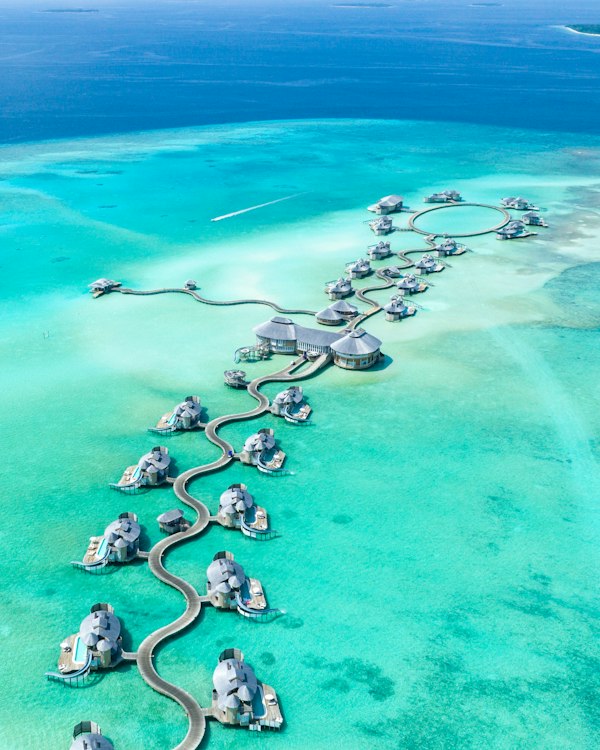
Unlike scuba diving, snorkelling needs no certification, training, or expensive equipment. You can be floating above a coral garden minutes after arriving at your resort. And because so many Maldives resorts sit on coral atolls with natural house reefs, you don't necessarily need to book excursions or boat trips. The underwater world is often right at your doorstep.

With around 2,500 reefs scattered across 26 atolls (roughly 900 of which are accessible house reefs), the Maldives offers snorkelling opportunities that suit everyone from first-timers to experienced underwater explorers. This guide covers everything you need to know to make the most of it.

Good to know: You don't need to be a strong swimmer to snorkel in the Maldives. Many resort lagoons are shallow, calm, and perfect for beginners. Life jackets are always available, and guided sessions can help build your confidence.

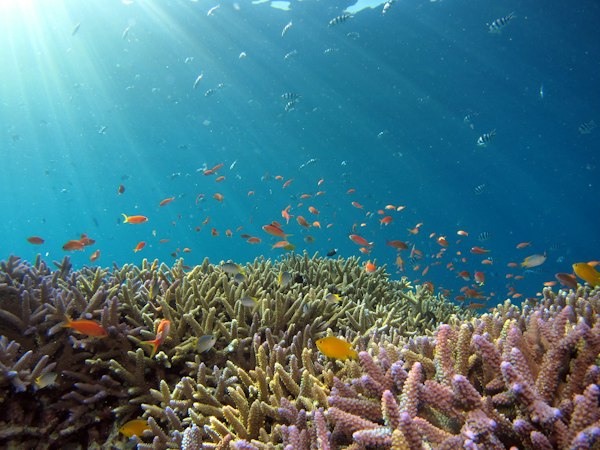
Snorkelling over vibrant coral reef in the Maldives 🐠 No certification required

Best Places to Snorkel in the Maldives

From accessible house reefs to legendary marine sites, these are the locations that consistently deliver exceptional snorkelling experiences.

House reef snorkelling from resort beach Most Accessible

House Reef Snorkelling

The best snorkelling in the Maldives often starts just steps from your villa. A house reef is the living coral that surrounds an island, typically accessible from the beach or via a short swim across the lagoon. The drop-off edge is where the magic happens, with schools of fish, coral formations, and frequent visits from larger marine life.

Resorts known for exceptional house reefs include Baros, Mirihi, Vilamendhoo, Kandolhu, Lily Beach, and Anantara Kihavah. At these islands, you can snorkel multiple times a day without ever needing a boat.

Free access Unlimited snorkelling Sharks & turtles
Manta ray swimming in Hanifaru Bay UNESCO Site

Hanifaru Bay, Baa Atoll

If there's one snorkelling experience that deserves a place on your bucket list, it's Hanifaru Bay. This small bay in the UNESCO Biosphere Reserve of Baa Atoll sees aggregations of over 100 manta rays during peak season (May to November). Watching these graceful creatures barrel-roll through clouds of plankton just metres away is genuinely unforgettable.

Diving is prohibited here to protect the ecosystem. Snorkelling-only access with strict visitor limits means encounters feel intimate despite the site's fame. Book through resorts in Baa Atoll for the best access.

Manta ray feeding May-November Permit required
Whale shark snorkelling in South Ari Atoll Year-Round

South Ari Atoll (Whale Sharks)

South Ari Atoll is one of the most reliable places on Earth to swim with whale sharks. These gentle giants, the world's largest fish at up to 18 metres long, are resident year-round in the South Ari Marine Protected Area. You don't need to dive; snorkelling offers equally impressive encounters as these filter feeders cruise near the surface.

Local islands like Dhigurah and Maamigili specialise in whale shark excursions, and resorts throughout South Ari offer regular trips. Peak sightings occur from August to November.

Whale sharks All year Peak Aug-Nov
Colourful coral reef in North Male Atoll Easy Access

North Malé Atoll

The atolls closest to Malé Airport offer excellent snorkelling with the convenience of speedboat transfers. Sites like HP Reef (also called Rainbow Reef) are famous for stunning soft corals in every colour imaginable. Banana Reef, one of the first dive sites discovered in the Maldives, features dramatic overhangs and huge schools of bannerfish.

Resorts like Baros, Banyan Tree Vabbinfaru, and Dhawa Ihuru have some of the best house reefs in this atoll, with easy reef access and frequent manta ray visits during season.

Close to airport Famous sites Soft corals
Tropical fish on Ari Atoll reef Top Rated

Ari Atoll House Reefs

Ari Atoll consistently appears in conversations about the best snorkelling in the Maldives. The atoll's thin ring shape creates ideal conditions, with dramatic coral walls dropping into deep blue water and an abundance of marine life drawn by the nutrient-rich currents.

Standout house reefs include Mirihi (often called the best house reef in the Maldives), Kandolhu, Maafushivaru, Lily Beach, and Vilamendhoo. These islands combine accessible snorkelling with regular sightings of turtles, reef sharks, and rays.

World-class reefs Eagle rays Reef sharks
Local island snorkelling tour Budget Option

Snorkelling from Local Islands

Staying at a local island guesthouse doesn't mean missing out on great snorkelling. Islands like Maafushi, Thulusdhoo, Rasdhoo, and Dhigurah offer affordable boat excursions to nearby reefs and marine life hotspots. While house reef snorkelling from local islands is often limited (many inhabited islands don't have accessible reefs), organised trips deliver excellent experiences.

Dhigurah, in particular, is famous for whale shark snorkelling at a fraction of resort prices. Local dive centres run daily trips during season.

Budget-friendly Boat excursions Local guides

What You'll See While Snorkelling

The Maldives is home to over 2,000 species of fish and hundreds of coral species. Here's what to look out for on your underwater adventures.

🐠

Tropical Reef Fish

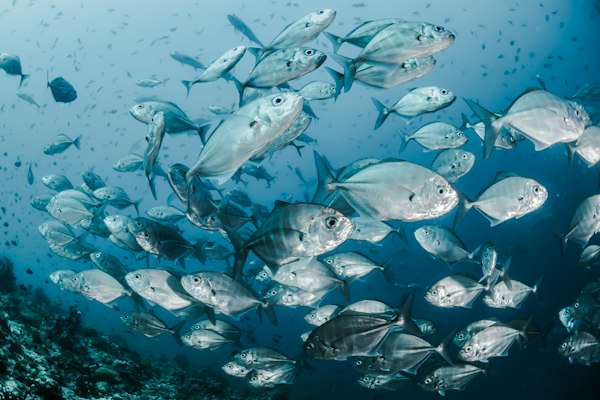
Clownfish in anemones, parrotfish grazing on coral, angelfish, butterflyfish, surgeonfish, and massive schools of fusiliers. You'll see hundreds of species on any good house reef.

🦈

Reef Sharks

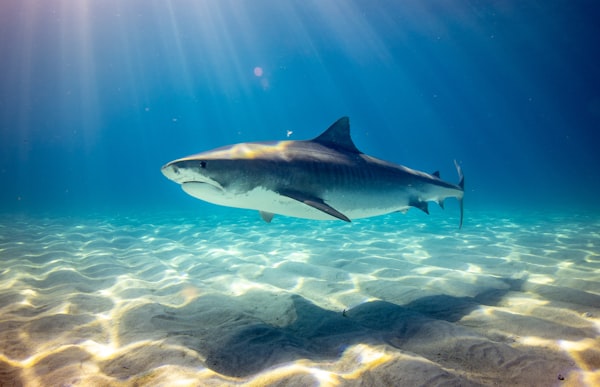
Blacktip and whitetip reef sharks are common on most reefs. They're shy, not dangerous, and seeing them glide past is a highlight. Baby sharks often patrol shallow lagoons.

🐢

Sea Turtles

Green and hawksbill turtles are frequently spotted while snorkelling. They're often seen grazing on seagrass or resting on coral. Many resorts have resident turtles.

🦑

Manta Rays

The magnificent manta rays at cleaning stations and Hanifaru Bay are a bucket-list encounter. With wingspans up to 5 metres, watching them glide overhead is unforgettable.

🐋

Whale Sharks

The world's largest fish, reaching 18 metres long, are resident in South Ari Atoll year-round. These gentle filter feeders swim near the surface, perfect for snorkelling.

🐬

Dolphins

Spinner dolphins are common throughout the Maldives. While typically seen on boat trips, they sometimes swim into lagoons. Dawn and sunset cruises offer the best sightings.

🐙

Octopus & Eels

Look carefully among the coral and you might spot an octopus changing colour or a moray eel peeking out from its hideaway. Dawn and dusk are best for sightings.

🦅

Eagle Rays

Spotted eagle rays gliding gracefully along reef edges are a common sight. Stingrays rest on sandy bottoms, and you may spot them in shallow lagoon areas too.

🪸

Coral Gardens

Staghorn coral, brain coral, table coral, and soft corals in vibrant colours. The best reefs show healthy regrowth following past bleaching events.

Types of Snorkelling Experiences

From gentle lagoon exploration to adrenaline-pumping night snorkels, the Maldives offers snorkelling experiences for every comfort level and interest.

🏝️

Lagoon Snorkelling

Perfect for beginners & children

The shallow lagoons enclosed by house reefs offer calm, protected water ideal for first-timers and families. Water is typically waist to chest deep, with sandy bottoms and smaller fish. No currents, no waves, just gentle exploration. Many resorts offer guided lagoon sessions to build confidence before venturing to the reef edge.

🤿

House Reef Adventures

All levels with basic swimming ability

House reef snorkelling is where the Maldives truly shines. Swim from the beach or your water villa to the reef edge, where the coral drops away into deeper water. This is where you'll find the most marine life: schooling fish, sharks cruising along the wall, turtles, and rays. Most resorts mark entry points with buoys and provide orientation briefings.

🚤

Boat Excursions

All levels with guides

Organised snorkelling trips take you to sites beyond your resort's reef. These might include famous sites like Hanifaru Bay for mantas, whale shark encounters in South Ari, or multi-stop tours visiting different reef types. Excursions include equipment, guides who know where to find the best marine life, and often refreshments. Half-day and full-day options are available.

🌙

Night Snorkelling

Intermediate – guided only

After sunset, the reef transforms. Nocturnal creatures emerge, sharks become more active, and with special UV lights, you can witness bioluminescence where corals and marine life glow in the darkness. It's thrilling and slightly surreal. Always done with guides, typically in small groups. If you're looking for something different, night snorkelling is an underrated highlight of any Maldives trip.

When is the Best Time to Snorkel in the Maldives?

The short answer: any time. But different seasons offer different advantages. Here's what to expect throughout the year.

📅

Seasonal Snorkelling Guide

Plan your trip around the conditions and marine life you want to experience

☀️ Dry Season November to April

Best Overall Conditions

This is traditionally considered the best time to snorkel in the Maldives. Expect calmer seas, less rain, and underwater visibility that can exceed 30 metres. The water is incredibly clear, making it perfect for photography and spotting smaller marine life on the reef. Marine life tends to concentrate on the western sides of atolls during this period.

Best visibility Calm seas Whale sharks (South Ari) Peak tourist season
🌊 Wet Season May to October

Prime Time for Manta Rays

While visibility may be slightly reduced due to plankton blooms, that plankton is exactly what attracts manta rays in huge numbers to sites like Hanifaru Bay. The wet season (southwest monsoon) is the absolute best time for manta encounters, with aggregations of 100+ rays not uncommon. Surfing conditions also peak. Lower prices and fewer crowds are a bonus.

Manta ray season Hanifaru Bay peak Better value Some afternoon rain

Pro tip: Water temperature stays between 27-30°C (81-86°F) year-round, so you won't need a wetsuit. A rashguard offers sun protection and helps if there's stinging plankton. The real question isn't whether conditions are "good enough" but whether you prioritise crystal-clear visibility or manta ray encounters.

How Much Does Snorkelling Cost in the Maldives?

The good news: the best snorkelling (house reef access) is usually free. Here's what to budget for equipment and excursions.

Typical Snorkelling Costs

🏠 House Reef Access

Free

At most resorts, snorkelling from the beach or your villa to the house reef costs nothing. You can snorkel as often as you like.

Equipment may or may not be included

🤿 Equipment Rental

$0 - $15/day

Many 4-5 star resorts provide mask, snorkel, and fins free of charge. Budget resorts may charge $8-15 per day for rental.

Check if included in your package

🚤 Snorkelling Excursion

$30 - $100/person

Half-day boat trips to nearby reefs. Local island operators start around $30-50. Resort excursions typically $60-100.

Includes equipment & guide

🐋 Whale Shark Trip

$50 - $150/person

Half-day excursion in South Ari Atoll. Local island operators around $50. Resort-organised trips $100-150.

Best Aug-Nov, available year-round

🐙 Manta Ray Excursion

$80 - $200/person

Trip to Hanifaru Bay or manta cleaning stations. Includes permit fees. Best May-November.

Permit fees often included

🌙 Night Snorkelling

$40 - $80/person

Guided evening snorkel with UV lights to see bioluminescence and nocturnal marine life.

Usually 1-2 hours duration

Money-saving tip: If snorkelling is a priority, book a resort with a great house reef and complimentary equipment. This way, your best snorkelling is essentially free. All-inclusive packages at resorts like Lily Beach even include some excursions.

Equipment & Safety Tips

Snorkelling in the Maldives is generally very safe, but a few precautions will ensure you have the best possible experience.

🤿 Equipment Essentials

  • Mask that fits snugly without pressing on your nose
  • Snorkel with a comfortable mouthpiece (dry-top optional)
  • Fins are essential for reef snorkelling, not optional
  • Rashguard for sun protection and against stinging plankton
  • Reef-safe sunscreen (SPF 30+) to protect both you and the coral
  • Underwater camera (GoPro works great for beginners)

⚠️ Safety Guidelines

  • Never snorkel alone, always have a buddy
  • Check current conditions before entering the water
  • Wear a life jacket if you're not a confident swimmer
  • Stay within marked snorkelling areas
  • Be aware of boat traffic near jetties and channels
  • Know your limits and don't fight strong currents

🪸 Reef Protection

  • Never touch or stand on coral, even if it looks like rock
  • Don't chase or touch marine life
  • Use only reef-safe sunscreen (no oxybenzone)
  • Keep fins away from coral, especially in shallow areas
  • Don't feed fish or sharks, even if others do
  • Take only photos, leave only bubbles

🦈 Marine Life Safety

  • Reef sharks are shy and pose no threat unless provoked
  • Maintain distance from all marine life (1.5-2 metres)
  • If you see a shark, stay calm and observe, don't splash
  • Avoid snorkelling at dawn/dusk in shark-heavy areas alone
  • Jellyfish are rare but watch for them, especially after storms
  • Listen to resort marine biologists about current conditions

Frequently Asked Questions

Got questions about snorkelling in the Maldives? Here are answers to the ones we hear most often.

You don't need to be a strong swimmer, but basic water comfort helps. Many resort lagoons are shallow enough to stand in, and you can float on the surface watching fish while wearing a life jacket. Resorts offer guided beginner sessions in calm lagoons to build confidence. However, for house reef snorkelling at the drop-off or boat excursions, you should be comfortable swimming and floating independently.
Mirihi Island in South Ari Atoll is often considered the best for house reef snorkelling, with a spectacular 6km reef surrounding a tiny island. Other top contenders include Baros and Kandolhu in North Malé/Ari Atoll (fantastic for turtles and sharks), Vilamendhoo in South Ari (great all-round reef with 10 marked trails), and any resort in Baa Atoll for manta ray access. The best island really depends on your priorities: house reef quality, whale sharks, manta rays, or proximity to Malé.
Most 4 and 5-star resorts provide complimentary snorkelling equipment (mask, snorkel, fins) for the duration of your stay. Some resorts include it in your villa or available from the water sports centre. Budget resorts and guesthouses may charge $8-15 per day for rental. If you snorkel frequently or are particular about fit, bringing your own mask is worthwhile. Fins are bulky to travel with, and resort equipment is usually decent quality.
The reef sharks you'll encounter while snorkelling (blacktip and whitetip reef sharks, nurse sharks) are not dangerous to humans. They're shy, curious at best, and will typically swim away if you approach. There are no great white sharks in the Maldives. The key is to remain calm, don't splash aggressively, and never try to touch or chase them. Shark encounters are a highlight, not a hazard. The Maldives has banned shark feeding, which keeps their behaviour natural and predictable.
Absolutely. The calm, warm lagoons of the Maldives are perfect for introducing children to snorkelling. Many family resorts have shallow areas specifically suited for young snorkellers, and kids' masks and fins are available. Children should be comfortable with their face in water and able to breathe through a snorkel. Many kids take to it from age 5-6, though comfort levels vary. Life jackets provide extra security, and our family travel guide covers the best resorts for snorkelling with children.
Snorkelling keeps you at the surface, breathing through a snorkel tube while looking down at the reef. No certification is needed, and you can do it independently at most house reefs. Scuba diving takes you underwater with a tank and requires PADI or equivalent certification. In the Maldives, snorkelling is surprisingly rewarding because much of the marine life (including mantas and whale sharks) feeds near the surface. Diving allows access to deeper sites, shipwrecks, and night dives, but snorkelling covers perhaps 70% of what divers see at a fraction of the cost and complexity.
For house reef snorkelling, no booking is needed. You can go whenever you like. For excursions, it depends on the trip. Regular reef snorkelling trips can usually be arranged a day ahead. However, popular excursions like Hanifaru Bay (which has strict visitor limits) or whale shark trips during peak season should be booked as early as possible, ideally before you arrive. Let your resort know your snorkelling priorities when booking, and they can arrange permits and slots.

Ready to Explore the Underwater Maldives?

Whether you're floating above a house reef or swimming alongside whale sharks, the snorkelling here is unforgettable. Let us help you find the perfect resort for your underwater adventures.