

Manta Ray Encounters in the Maldives
Glide alongside the ocean's most graceful giants at the world's largest manta ray gathering. Hanifaru Bay and cleaning stations across the Maldives offer unforgettable encounters year-round.
The Magic of Manta Rays
The Maldives is home to the world's largest known population of reef manta rays—over 6,000 identified individuals and counting.
There's something almost otherworldly about your first manta ray encounter. You're floating in warm, impossibly clear water when a shadow passes beneath you. You look down, and suddenly there it is—a creature with a wingspan wider than you are tall, gliding with an elegance that seems impossible for something so large. Its movements are slow, deliberate, almost hypnotic.
Unlike many marine encounters that last seconds, manta rays often linger. They're curious, intelligent animals—scientists have confirmed they can recognize themselves in mirrors, a test of self-awareness passed by very few species. When conditions are right, they might circle back to investigate you, those distinctive cephalic fins unfurling like horns as they approach.
The Maldives holds a special place in the manta world. The Maldivian Manta Ray Project has catalogued over 6,000 reef mantas here—the largest documented population anywhere on Earth. These aren't migrating visitors; they're residents, moving across the archipelago's 26 atolls with the changing monsoons, following plankton blooms from east to west and back again.
What makes the Maldives extraordinary isn't just the numbers—it's the accessibility. Whether you're a complete beginner who's never worn a snorkel or an advanced diver with thousands of logged hours, you can experience manta rays here. Some encounters happen at cleaning stations where mantas hover motionless, allowing leisurely observation. Others involve snorkelling amid dozens of feeding rays at Hanifaru Bay, one of the planet's most remarkable marine phenomena.
Manta rays are completely harmless. Despite their size, they're filter feeders that eat only zooplankton—tiny organisms filtered from the water through their gill rakers. They have no stinging barb (unlike stingrays), and their tiny teeth aren't used for eating. These are gentle, curious creatures that often seem as interested in us as we are in them.
Where to See Manta Rays in the Maldives
From the legendary aggregations at Hanifaru Bay to year-round cleaning stations, the Maldives offers diverse manta encounters.

Hanifaru Bay, Baa Atoll
This tiny bay—barely larger than a football field—hosts the most spectacular manta ray gatherings on Earth. During the southwest monsoon, unique currents funnel plankton into this natural trap, attracting dozens, sometimes over 200 manta rays to feed simultaneously. Snorkelling only (no diving), with strict regulations to protect this UNESCO Biosphere Reserve.
Cleaning Stations
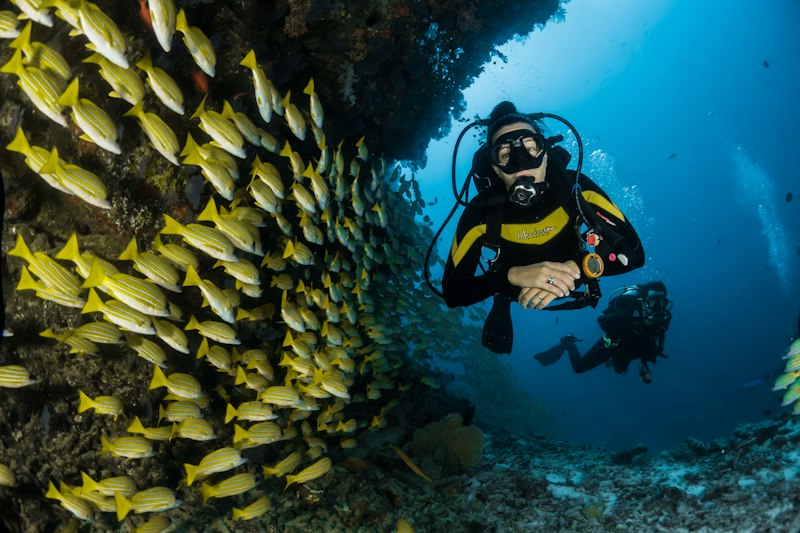
Cleaning stations are coral formations where small cleaner fish remove parasites from mantas. The rays visit regularly, often hovering motionless for extended periods—perfect for close observation. Major stations exist in North Malé Atoll (Lankan Manta Point), South Ari Atoll (Rangali Madivaru), Raa Atoll (Sola Corner), and Addu Atoll.
Top Cleaning Station Locations
While Hanifaru Bay captures headlines, the Maldives has dozens of cleaning stations offering reliable manta encounters throughout the year. The advantage? Smaller crowds, longer encounters, and the ability to dive (not just snorkel) alongside these graceful animals.
Lankan Manta Point
North Malé Atoll's most famous site. Best May-November during southwest monsoon. Accessible from many resorts and easily reached from Malé—often the first manta encounter for visitors.
Rangali Madivaru
South Ari Atoll cleaning station active January-May. Strong currents create whirlpool effects mantas love. Also excellent for whale shark encounters.
Sola Corner
Raa Atoll's premier site with year-round sightings, peaking August-November. Often hosts 5-7 mantas simultaneously. Suitable for intermediate divers.
Addu Manta Point
Far south in Addu Atoll offers year-round giant oceanic mantas alongside reef mantas—some with 5+ metre wingspans. Less crowded than northern sites.
Best Time for Manta Ray Encounters
Manta rays follow the plankton—understanding seasonal patterns helps you maximize your chances.
June to October
The absolute best time for Hanifaru Bay, with July-October offering the highest concentrations. Plankton blooms attract massive gatherings. Mantas found on eastern sides of atolls. Expect rougher seas but incredible rewards.
December to April
Mantas shift to western sides of atolls. Excellent for cleaning station visits at Rangali Madivaru and Rasdhoo. Calmer seas and better visibility. Hanifaru Bay closed, but many other sites active.
May & November
Shoulder months as mantas redistribute across atolls. May marks Hanifaru's opening. November sees final feeding gatherings. Variable conditions but fewer tourists and good opportunities.
The golden rule for manta encounters: west during dry season (December-April), east during wet season (May-November). This follows plankton movement driven by monsoon currents. For Hanifaru Bay specifically, book around full moon or new moon periods in August-October for the highest manta concentrations.
Hanifaru Bay: The Manta Ray Phenomenon
Nothing quite prepares you for Hanifaru. Imagine snorkelling with dozens—sometimes over 100—manta rays feeding in a space smaller than a football field.

Why Hanifaru Is Unique
Hanifaru Bay's magic comes from geography. This keyhole-shaped bay sits where tidal currents clash with monsoon flows, creating a natural funnel that concentrates zooplankton. When conditions align—particularly during full and new moons—the bay becomes a soup of microscopic life irresistible to filter feeders.
Mantas arrive in force. First a few, then dozens, sometimes over 200. They barrel-roll through dense plankton patches, form spiralling "manta trains," and when numbers peak, engage in the extraordinary behaviour called cyclone feeding—swimming in tight, rotating formations with mouths agape.
Hanifaru Bay Regulations
Since becoming a Marine Protected Area in 2009 and UNESCO Biosphere Reserve in 2011, strict rules protect this extraordinary site. Understanding these before you go ensures a smooth, enjoyable experience.
Scuba diving is strictly prohibited at Hanifaru Bay. The ban protects feeding mantas from disturbance—and honestly, snorkelling is ideal anyway. Mantas feed at or near the surface where plankton concentrates, often just 1-3 metres below you. You'll see everything without a tank.
What to Expect at Hanifaru
Your excursion begins with a briefing from a certified Hanifaru guide—mandatory for all visitors. You'll learn about responsible interaction, the permit system, and what behaviours to expect. From there, it's a short boat ride to the bay entrance.
Conditions vary dramatically. Some days you'll see 10-20 mantas feeding calmly. Other days—particularly around full and new moons in peak season—you might witness 100+ mantas in full cyclone feeding mode, a swirling vortex of wings and mouths that defies description. Even on quiet days, floating with a handful of these magnificent creatures is an experience you won't forget.
Understanding Manta Rays
The more you know about these remarkable animals, the richer your encounter becomes.

Two Species in the Maldives
The Maldives hosts both reef manta rays (Mobula alfredi) and oceanic manta rays (Mobula birostris). Reef mantas are smaller (up to 5.5m wingspan) and coastal, while oceanic mantas can reach 7m and roam open ocean.
Every manta has a unique pattern of spots on their underside—like fingerprints. The Maldivian Manta Ray Project uses these patterns to identify individuals through photo-ID, building a database of over 6,000 reef mantas and 1,000 oceanic mantas. Some individuals have been tracked for over 25 years.
Fascinating Manta Behaviours
Barrel Rolling
When feeding on dense plankton patches, mantas perform backward somersaults to stay in one spot, maximizing food intake. It's acrobatic and mesmerizing to watch.
Cyclone Feeding
When 50+ mantas gather, they may form rotating chains—head following tail—creating a spiralling vortex. This behaviour is seen only at sites like Hanifaru Bay.
Cleaning Behaviour
At cleaning stations, mantas hover motionless while cleaner fish remove parasites. They return to the same stations repeatedly, sometimes queuing like planes waiting to land.
Types of Manta Encounters
From relaxed cleaning station visits to exhilarating feeding frenzies, the Maldives offers varied manta experiences.
Hanifaru Bay Snorkelling
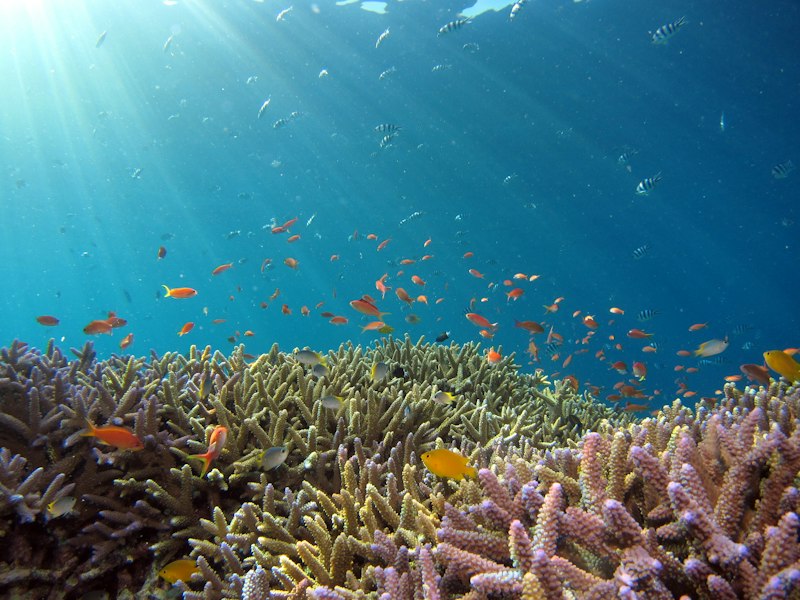
The ultimate manta experience. Snorkel amid dozens of feeding mantas in one small bay. Requires no diving certification. Available May-November with peak activity August-October. Strict permit system ensures quality encounters.
Cleaning Station Diving
Watch mantas hover motionless just metres away while cleaner fish work. Longer encounters than feeding situations. Requires Open Water certification. Available year-round at various atolls. Often combined with reef exploration.

Night Manta Experiences
Dive lights attract plankton, which in turn attracts feeding mantas. At sites like Fesdhoo Lagoon in Ari Atoll, mantas glide through your light beams, sometimes passing centimetres away. Unforgettable for confident night divers.
Manta Ray Excursions & Access
Multiple options exist for experiencing manta rays, from resort-based trips to dedicated liveaboard cruises.
Baa Atoll Resort Excursions
Resorts in Baa Atoll offer direct access to Hanifaru Bay—typically 15-30 minutes by boat. Excursions include certified guides, equipment, and permits. Most run daily during manta season, with pricing around $100-200 per person. Four Seasons, Soneva Fushi, and Anantara Kihavah provide premium experiences.
Liveaboard Itineraries
Multi-day diving cruises often include Baa Atoll during manta season. You'll visit Hanifaru Bay plus numerous cleaning stations across multiple atolls. Best for serious divers wanting maximum encounters. Manta Trust runs dedicated research expeditions for those interested in citizen science.
Local Island Access
Dharavandhoo Island in Baa Atoll offers budget-friendly Hanifaru access. Guesthouses arrange daily excursions during season. The domestic airport makes access easy. You'll find the Hanifaru Visitor Centre here for permits and information.
Dive Centre Trips
Resort dive centres throughout the Maldives offer cleaning station excursions year-round. Even resorts far from Baa Atoll can deliver excellent manta encounters at local sites. Ask about manta-specific itineraries when booking your snorkelling or diving packages.
Responsible Manta Ray Viewing
Following these guidelines protects mantas and ensures better encounters for everyone—including yourself.
Code of Conduct for Manta Encounters
Manta Ray Conservation
The Maldives is a global leader in manta ray research and protection—and you can contribute.
Maldivian Manta Ray Project
Operating since 2005, the Maldivian Manta Ray Project (part of the Manta Trust) has identified over 6,000 reef mantas and 1,000 oceanic mantas in Maldivian waters—the world's largest documented population. Their research drives conservation policy, education programmes, and sustainable tourism guidelines.
Key achievements include establishing Hanifaru Bay's protected status (2009), adding all ray species to the Maldivian National Protected Species List (2014), and developing the best-practice code of conduct now used worldwide for manta tourism.
How You Can Help
Every visitor can contribute to manta conservation through citizen science. The IDtheManta programme accepts photo submissions from tourists—your images help track individual mantas across the archipelago. Photograph the underside showing the unique spot pattern, note the date and location, and submit through the Manta Trust website.
Several resorts partner directly with the Manta Trust, including Four Seasons Landaa Giraavaru and The Nautilus. Staying at these properties often includes educational sessions and opportunities to participate in research activities during your manta excursions.
Best Resorts for Manta Ray Access
Baa Atoll properties offer the most convenient Hanifaru Bay access, though excellent cleaning station encounters exist throughout the Maldives.

Four Seasons Landaa Giraavaru
Manta Trust partnership, on-site marine biologists, hologram room, research excursions. Premium Hanifaru access with educational focus.
Soneva Fushi
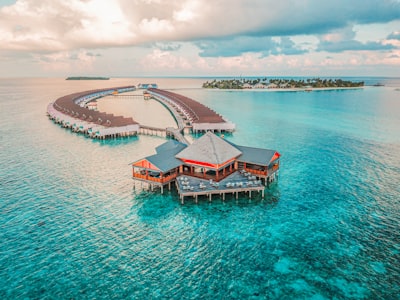
Barefoot luxury pioneer with excellent Hanifaru access. Eco-conscious operations, resident marine biologist, manta-focused excursions during season.
Anantara Kihavah
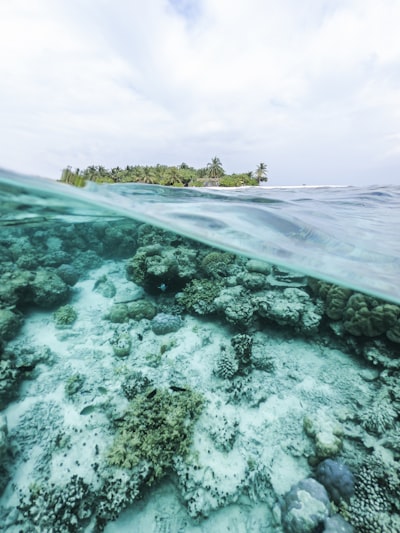
Underwater restaurant, overwater villas, easy Hanifaru access. Family-friendly with excellent dive centre and manta excursions.
Milaidhoo Island
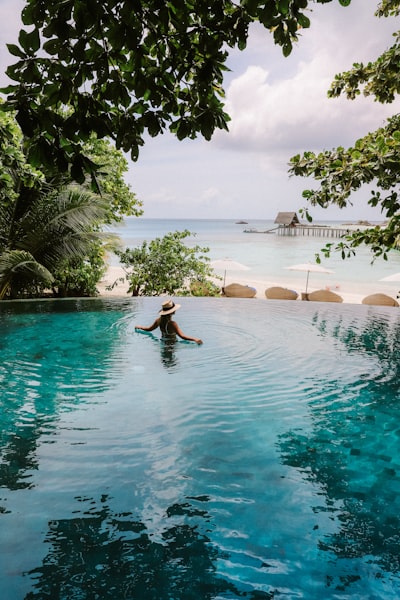
Boutique luxury with superb house reef and private Hanifaru Bay excursions. Adult-focused with intimate manta encounters.
For budget-conscious travellers, Dharavandhoo Island offers guesthouse accommodation with direct Hanifaru Bay access. The island has a domestic airport, making it easy to reach. Local operators arrange daily excursions during manta season, typically at 30-50% of resort prices.
Common Questions About Manta Rays
Related Experiences
Explore more of the Maldives' incredible marine life and underwater adventures.
Ready to Swim with Manta Rays?
Let us help you plan the perfect manta encounter. Our Maldives specialists will match you with the ideal resort and timing for an unforgettable experience.