
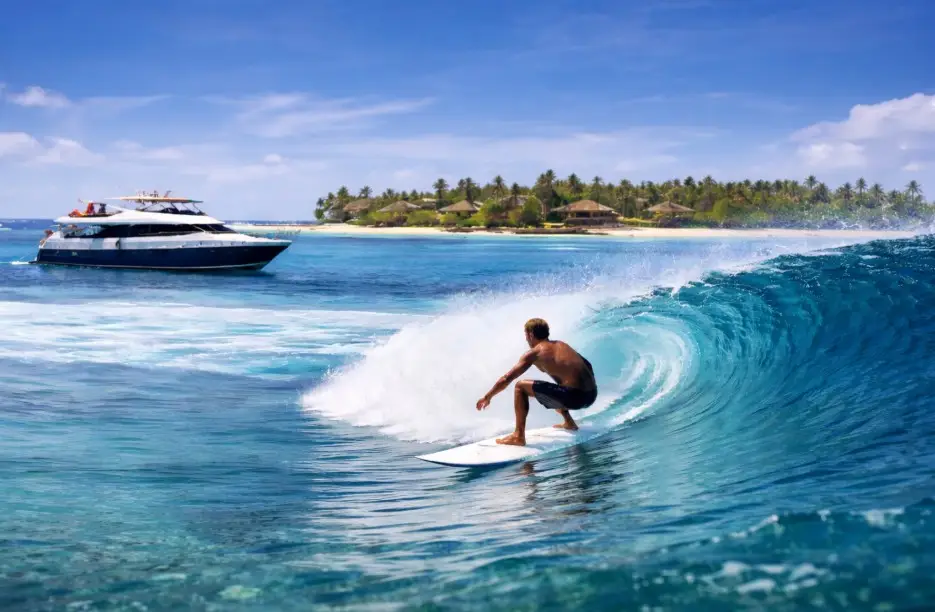
What makes surfing in the Maldives special (and what you should be honest about)
The Maldives has a rare mix: warm water, beautiful visibility, and consistent Indian Ocean swell during the main season. Most waves are reef breaks, which often means clean take-offs and predictable lines when the tide, wind, and swell angle line up. It is also one of the few surf destinations where your non-surfers can have an amazing time while you chase good sessions.
The Maldives offers warm, crystal-clear water and consistent surf during the main season
- Boardshorts surfing and no wetsuit stress
- Short boat rides to multiple breaks (depending on base)
- Lagoon time, snorkeling, sandbanks, and spa recovery
- You may be disappointed, because most quality waves are over reef
- Access is often by boat, not by walking down a beach
- Absolute beginners need careful conditions and coaching
If you are combining surf with a full Maldives holiday (not only surf), keep these guides handy: Ultimate Guide to the Maldives, How to Choose the Right Maldives Resort, and the Maldives Weather and Season Checker.
The 60-second Maldives surf holiday planner (do this before you book anything)
Most "Maldives surf holiday packages" look similar at first glance. This planner helps you decide your trip style quickly so you spend money on the right thing, not on random transfers and last-minute fixes.
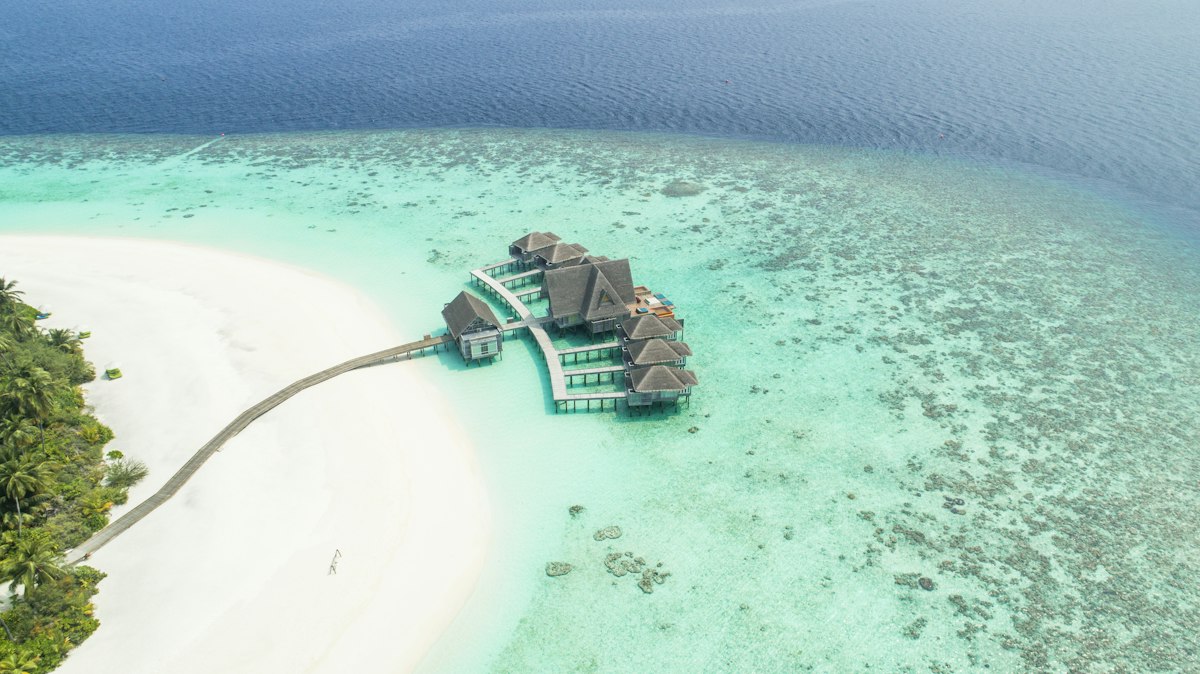
Planning your base location is key to a successful Maldives surf trip
| Your top priority | Best trip style | Why it works |
|---|---|---|
| Lowest cost and surf-first routine | Local island surf stay | Guesthouse prices plus targeted boat trips can be the best value if you base near key breaks. |
| Comfort, easy logistics, great for non-surfers | Surf resort | Private island facilities plus structured surf transfers keep the week smooth. |
| Maximum wave variety and flexibility | Surf charter or liveaboard | You move with conditions, surf multiple breaks, and reduce wasted days. |
| Family holiday with some surfing | Family-friendly resort near surf | Kids clubs, lagoons, and flexible schedules make it realistic for parents to surf. |
Choose the Maldives that matches your surf level (beginner to advanced)
This is the part most surf travel pages avoid, because it forces them to be specific. In the Maldives, wave quality is high, but reef breaks demand good decisions. The goal is not to "prove yourself", the goal is to surf more days, safely, and actually enjoy your holiday.
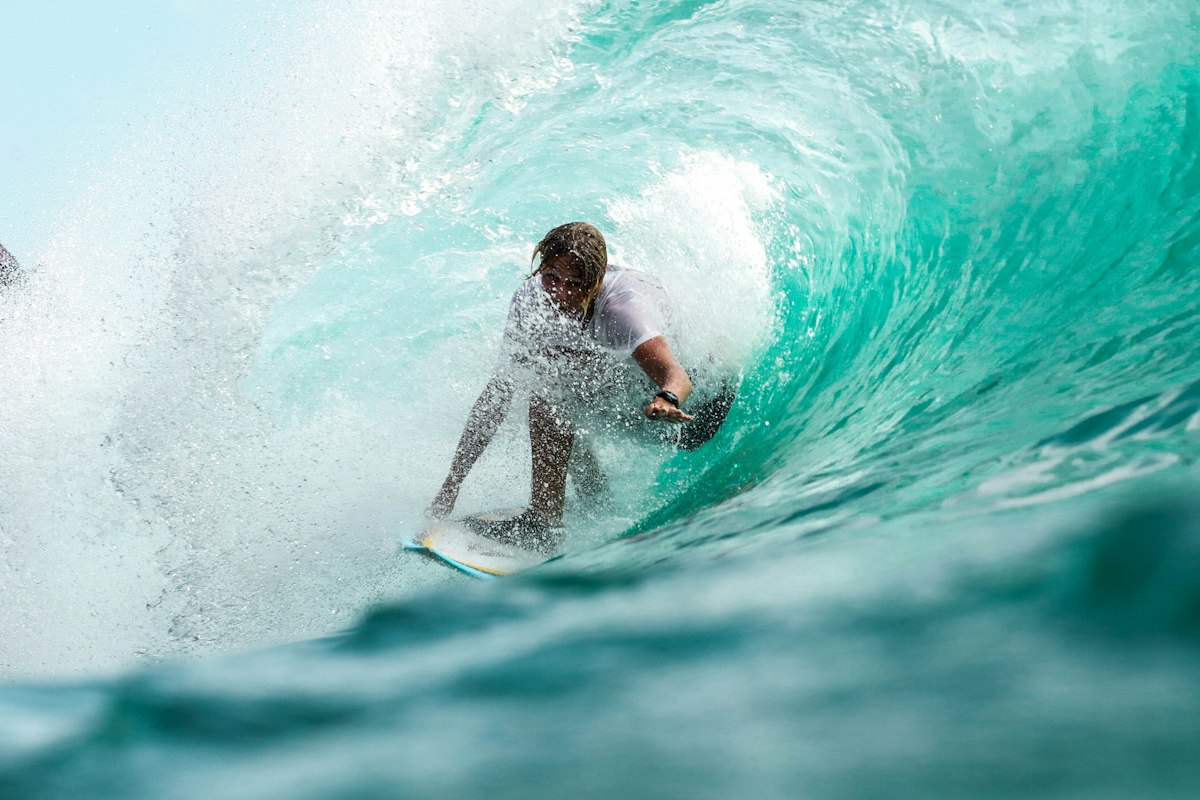
Matching your skill level to the right breaks ensures more enjoyable sessions
Beginner (first lessons, still learning to pop up)
The Maldives is possible, but choose calm periods and a setup with beginner coaching. You want mellow conditions, lagoon time, and a plan that does not push you onto shallow reef.
Best months: March to April, September to November. Choose a resort or operator that can teach safely.
Improving beginner (can pop up, starting to turn)
This is a great Maldives level if you pick the right breaks. You can progress fast in warm water, but you still need clean conditions and forgiving wave choices.
Best trip style: resort or local island base with guidance and short boat rides.
Intermediate to advanced (comfortable on reef, can handle power)
You will love the Maldives in the main season. You can chase specific breaks, surf longer walls, and build the week around conditions and tides.
Best trip style: charter for variety, or a surf resort near multiple quality breaks.
Best time to book Maldives surf holidays (month-by-month, practical)
The Maldives main surf season is generally March to October. Peak swell energy usually hits June to August. But good surf is not only about swell height. If you want a clean, enjoyable trip, pay attention to wind, crowd patterns, and how flexible your schedule is.
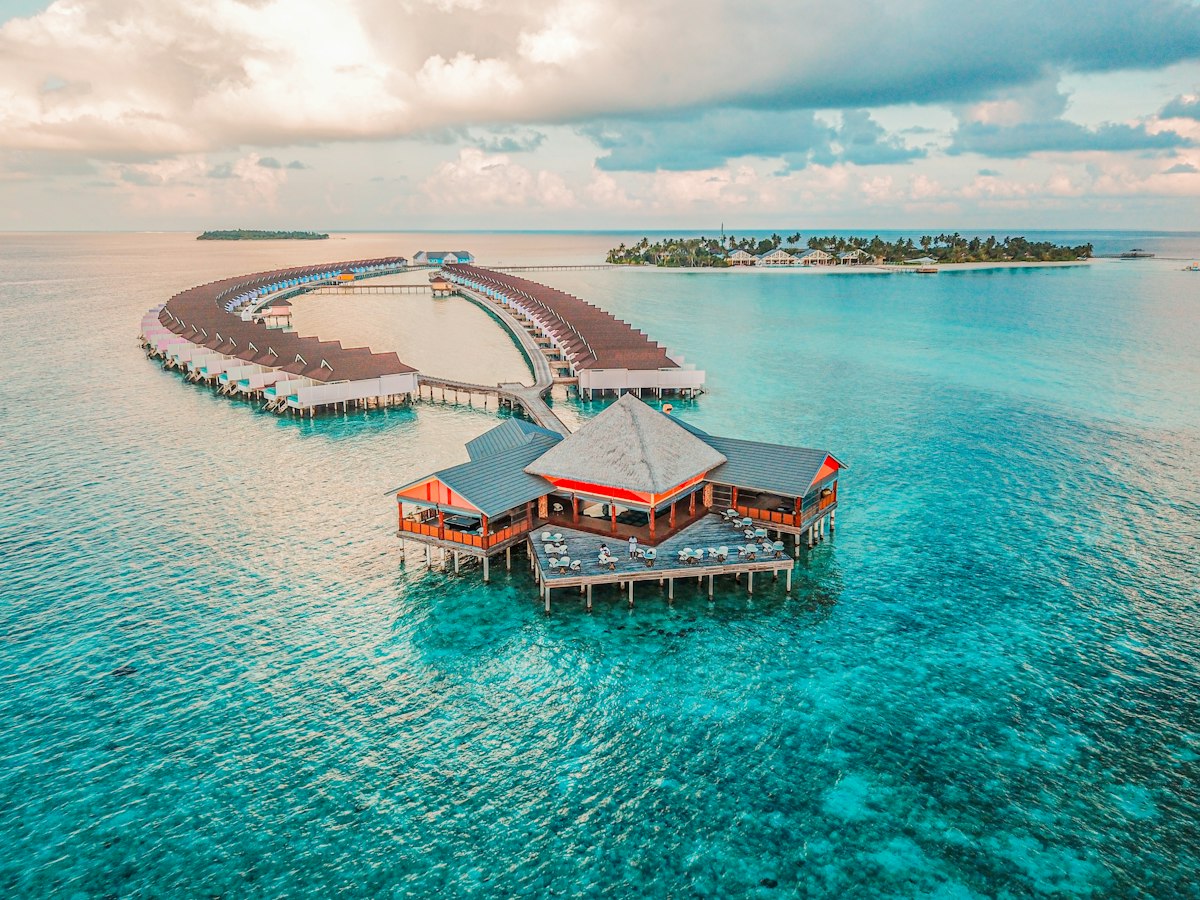
The main surf season runs March to October with peak swells June to August
Cleaner conditions and a more "balanced holiday" feel.
Bigger surf, better for confident intermediates and advanced surfers.
| Month group | What it feels like | Best for |
|---|---|---|
| Feb to early Mar | Transition period, mixed days, sometimes smaller | Budget travelers, mellow surf expectations |
| Mar to Apr | Clean, friendly conditions, comfortable travel vibe | Families, mixed-skill groups, first-timers |
| May | More swell energy starts showing up | Intermediates who want more surf without full peak crowds |
| Jun to Aug | Peak swell, more powerful sessions, occasional stormy spells | Intermediate to advanced surf trips, charters |
| Sep to Oct | Still strong surf, often good value, crowd relief | Smart-value trips, family surf balance |
| Nov to Jan | Smaller and less consistent surf, but stunning weather | Holiday-first travel, beginner progress weeks (with the right setup) |
For the full travel picture (not only surf), use: Maldives Weather and Season Checker and Maldives Transfer Cost Calculator.
Where to surf in the Maldives (regions that matter)
Most surf visitors start in the Malé Atolls because it is the easiest region from the airport with the highest concentration of breaks. Central and Southern Atolls can be incredible, but they are more "trip" than "quick week". Here is the simple view without confusion.
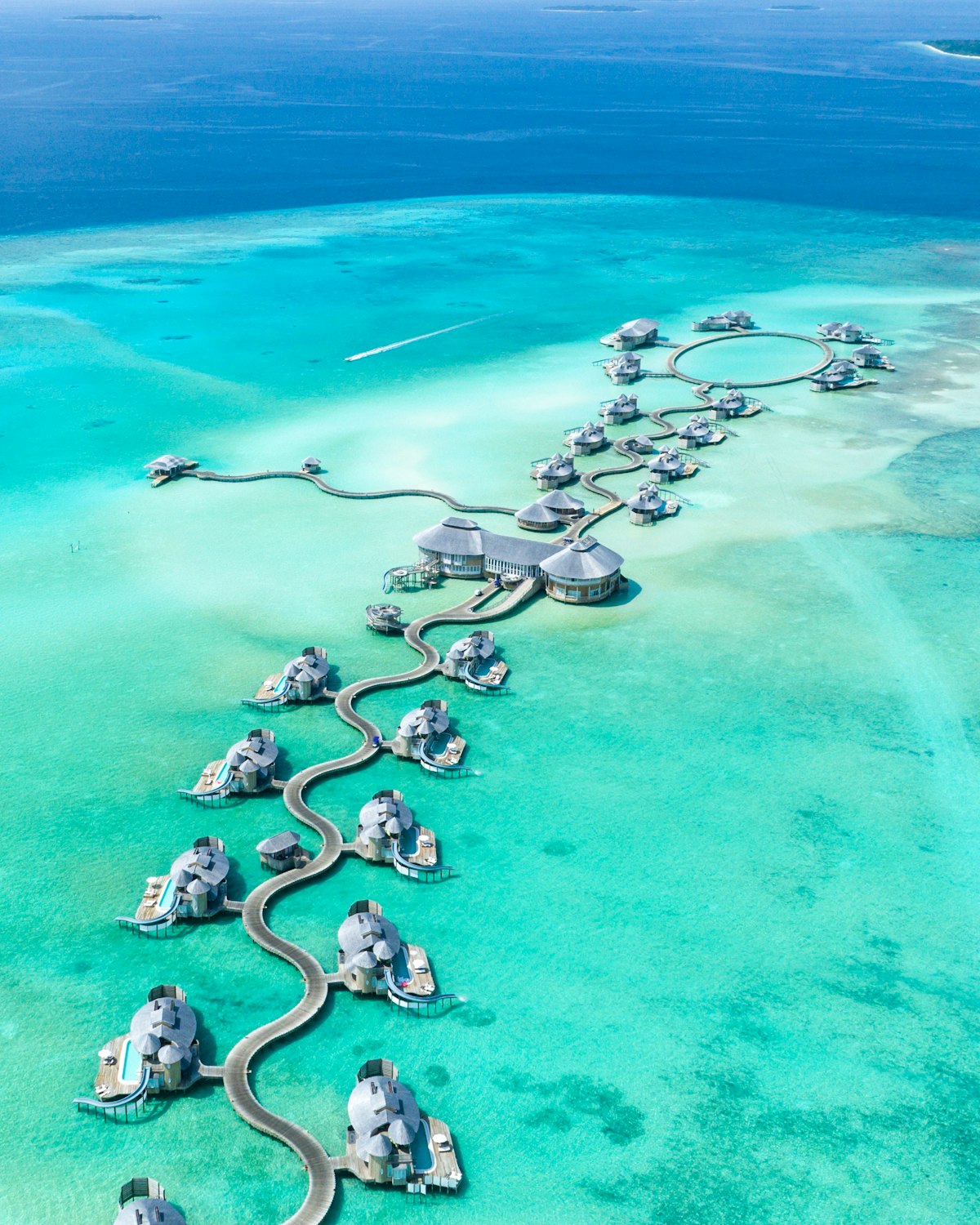
The Maldives surf regions span from North Malé to the remote Southern Atolls
| Region | Why it is popular | Best trip style |
|---|---|---|
| North Malé Atoll | Closest to airport, many famous breaks, reliable options | Resort, local island, or short charter |
| South Malé Atoll | Often less crowded feel, still excellent quality | Resort base or mixed week |
| Central Atolls | Remote feel, variety, fewer crowds | Charter or specific surf resort |
| Southern Atolls | More exposure, more power, adventurous wave hunting | Charter, longer trip, committed surfers |
Maldives surf spots (high-level guide without overpromising)
The Maldives has iconic names, but do not treat them like a checklist. Your best sessions will come from matching a break to the day's wind, tide, and your ability. Below is a practical, simplified way to understand the main "types" of waves you will meet.
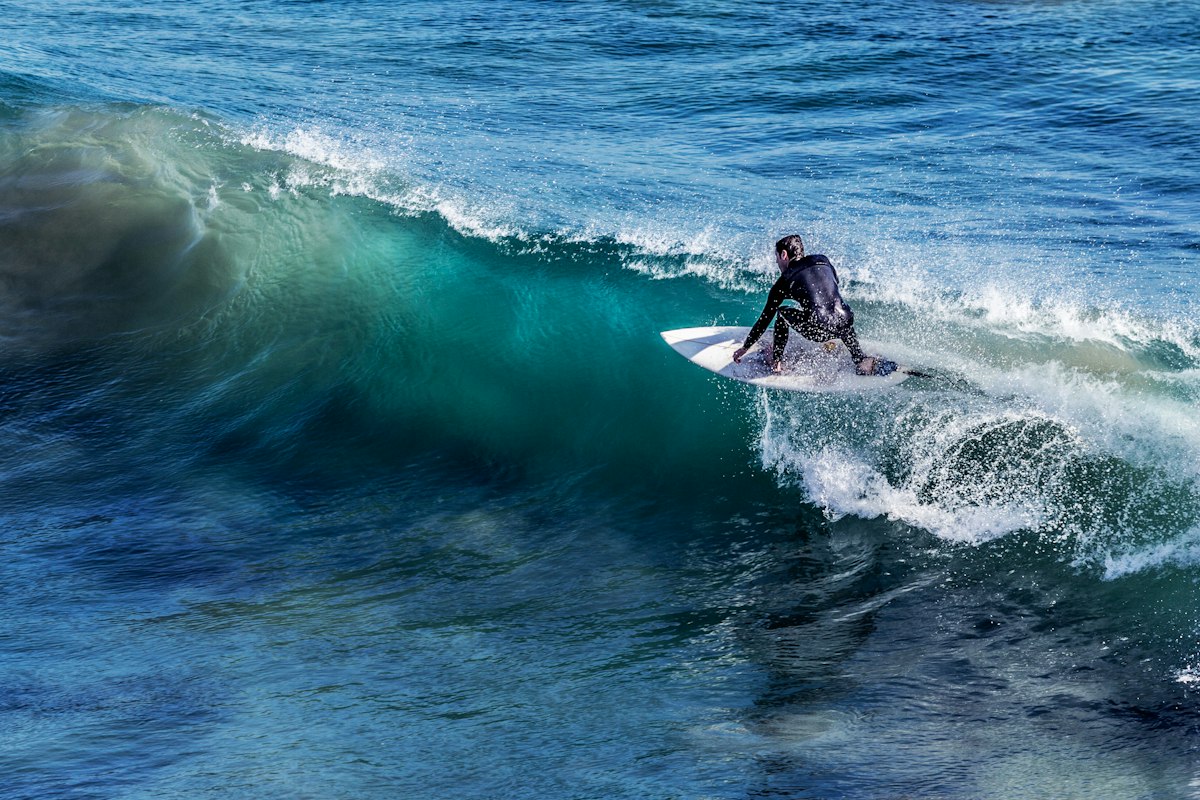
From long walls to hollow barrels, the Maldives offers diverse wave types
Long wall reefs
Great for rhythm surfing, turns, and building confidence in reef environments.
Hollow reef breaks
These are the "postcard" waves. They are also the ones that punish mistakes. Choose carefully.
Forgiving peaks
Not every day is heavy. Some peaks offer friendlier sections and better learning opportunities.
Trip styles compared: local island surf stays, surf resorts, and charter boats
This is where you win. The Maldives can be budget-friendly, mid-range, or ultra-luxury, but the best value is always the trip style that matches your reality.
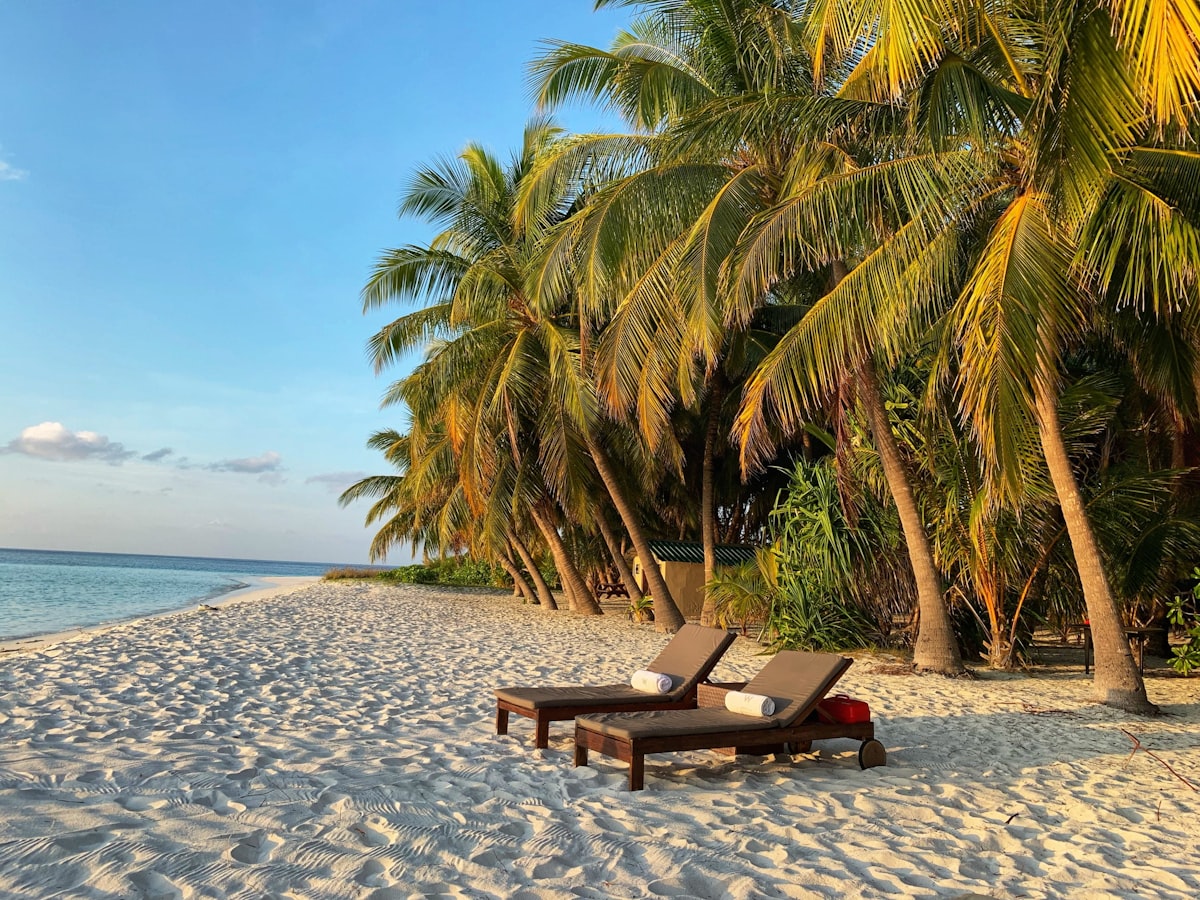
From budget guesthouses to luxury resorts and charter boats - choose your style
Local island surf holidays (best for value)
- Best for: surf-first travelers, budget trips, authentic local island vibe
- Strength: you can keep costs controlled and surf daily
- Watch-out: transfer and boat fees can creep up if your base is not near breaks
- Smart move: choose an island with reliable access to multiple breaks
Surf resort holidays (best for balance)
- Best for: couples, families, mixed groups with non-surfers
- Strength: predictable logistics, lagoons, dining, spa, kids activities
- Watch-out: not every resort is positioned for easy surf access
- Smart move: choose a resort with a clear surf program and known break access
Surf charter and liveaboard trips (best for variety)
A charter is the surf-first option. You chase conditions, visit more breaks, and reduce "flat day frustration". It can also be excellent value if you want wave variety and guiding included, especially for intermediate and advanced groups.
- Best for: intermediates and advanced surfers who want maximum time in the water
- Often includes: guiding, meals, dhoni support, and daily transfers between breaks
- Not ideal for: travelers who need full resort facilities for kids every day
Decision flow: how to pick the right Maldives surf holiday (simple and accurate)
Use this flow like a checklist. It helps you pick a plan that fits your surf level, budget, and travel priorities.
Choose your month first
Families and mixed groups do best in March to April or September to November. Heavy swell hunters aim for June to August.
Choose the region second
First Maldives surf trip? Malé Atolls. Want more remote waves? Central or Southern by charter or a specific resort.
Choose the trip style third
Local island for value. Resort for comfort and family balance. Charter for variety and wave hunting.
Lock in transfers and surf access
This is where budgets get surprised. Confirm the actual transfer cost and how surf trips run day to day.
Build a realistic weekly rhythm
Surf windows, family time, rest, snorkeling, excursions. A good week has balance, not pressure.
Then choose the exact hotel
Choose based on surf access, room comfort, and what your group needs. Not on marketing words.
Helpful planning pages: How to Choose the Right Maldives Resort and Maldives Transfer Cost Calculator.
Family surfing holidays Maldives: how to make it work (without turning it into chaos)
A family surf holiday in the Maldives is absolutely possible, and for many families it becomes the "we should do this again" trip. The secret is choosing calmer travel periods and a resort that supports both surfers and non-surfers. You are not only buying surf. You are buying a week that feels easy.
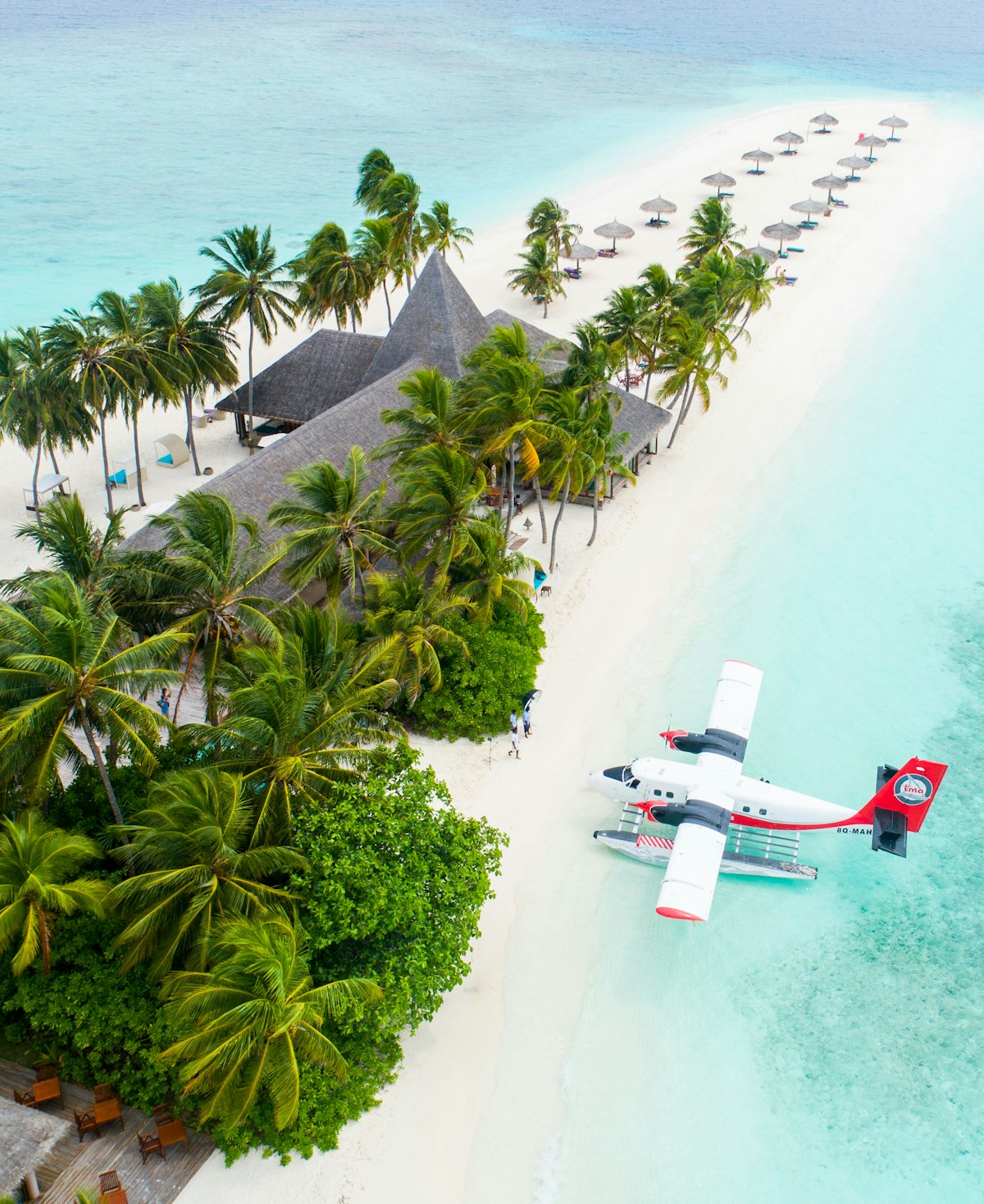
Family surf holidays work best with calm periods and resorts that support everyone
- More forgiving conditions for learning and confidence
- Great snorkel and lagoon time on non-surf hours
- Easier to keep the trip balanced
- Kids club support and safe swimming areas
- Structured surf trips so parents can rotate sessions
- Comfort and food that keeps everyone happy
What to look for in a family surf resort
Surf practicality
- Short transfer time from airport
- Clear surf desk and daily plan
- Options for different skill levels
- Safe entry guidance and local knowledge
Family comfort
- Kids club and family activities
- Good lagoon for swimming
- Flexible dining options
- Rooms that fit your family size without stress
Family planning resources: Maldives for Families Complete Guide and Marine Life Spotter Guide.
Cheap surf holiday Maldives: how to do it properly (and still surf a lot)
"Cheap" in the Maldives is about eliminating waste, not eliminating comfort. The biggest waste is picking a base that forces long, expensive transfers every day. The second biggest waste is paying for a surf package that does not actually include the things you will use.
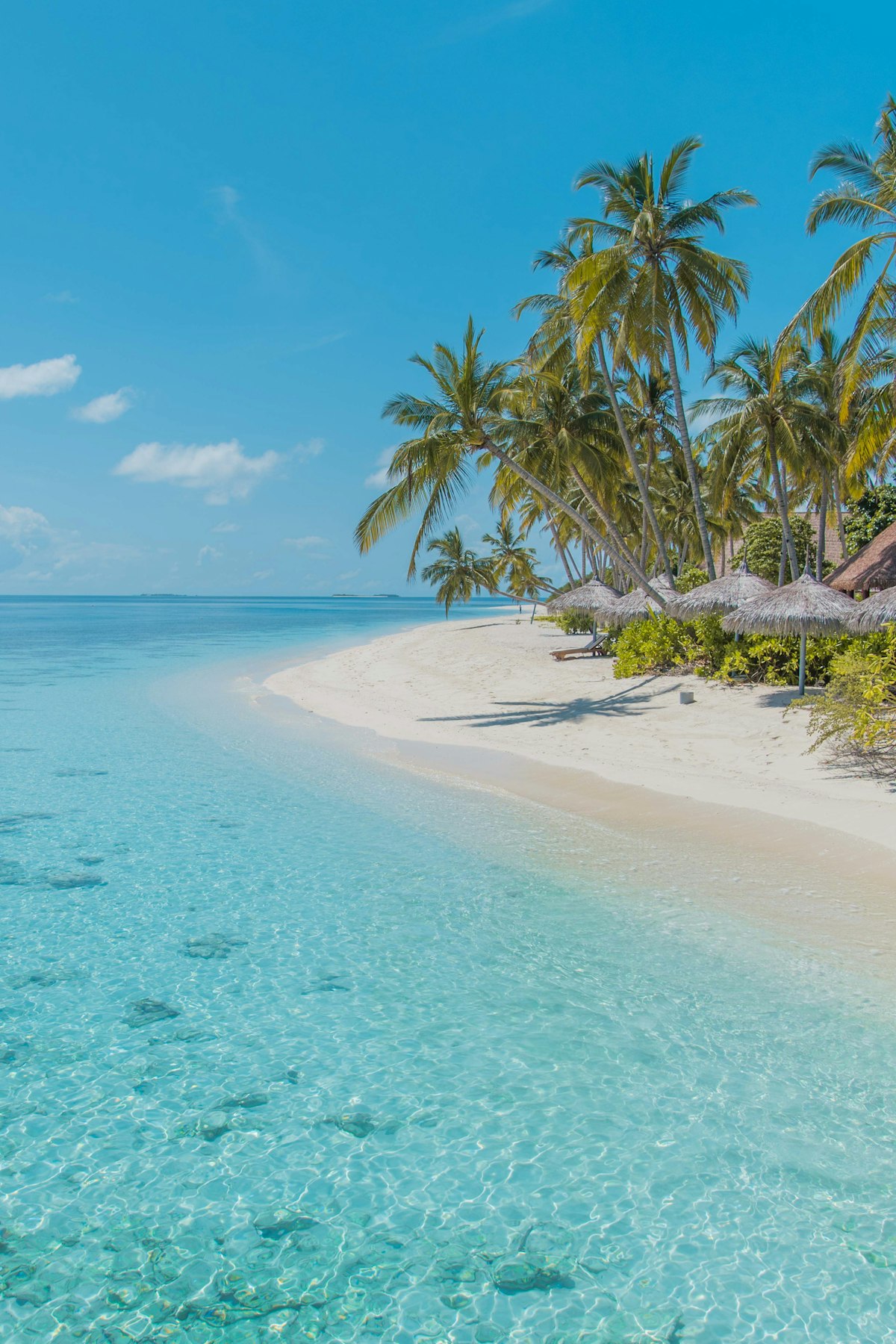
Local island guesthouses near key breaks offer the best budget surf value
The budget formula that works
- Choose a local island base near key breaks
- Use shared boats and short transfers where possible
- Bring your own board if you can (rentals add up)
- Use a package only if it bundles transfers and surf logistics
Budget mistakes to avoid
- Staying far from breaks and paying speedboat fees daily
- Ignoring surf transfer costs when comparing accommodation prices
- Booking "cheap" rooms with expensive mandatory meal plans
- Going in peak swell months if you are not ready for those conditions
A realistic 7-day budget example (excluding flights)
| Item | Typical budget range | How to keep it controlled |
|---|---|---|
| Guesthouse stay | $250 to $450 | Choose a surf-friendly local island with reliable access to breaks. |
| Local transfers (ferry or speedboat) | $50 to $150 | Align travel days with ferry schedules where possible. |
| Surf transfers | $60 to $160 | Share boats, choose short distances, bundle when it makes sense. |
| Food | $100 to $180 | Mix local cafés with a few "treat meals". |
| Board rental (if needed) | $80 to $180 | Bring your own board if you want the biggest savings. |
| Estimated total | $540 to $1,120 | Base choice and transfer planning are everything. |
Luxury surf holiday Maldives: what you are really paying for
Luxury in the Maldives is not only about a beautiful villa. For surfers, luxury is smooth logistics. It means you surf when conditions are right, recover well, and your non-surfers are genuinely happy. It also means less time negotiating transfers and more time doing the fun part.
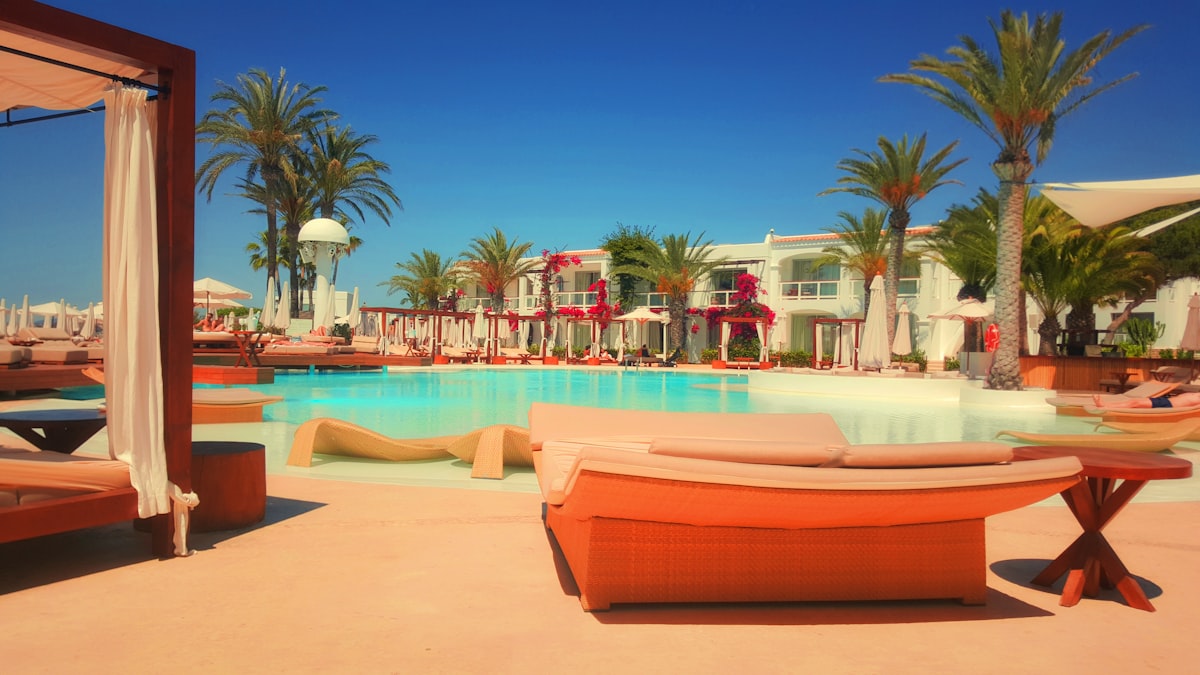
Luxury surf holidays combine world-class waves with premium comfort and service
Luxury surf resort benefits
- High comfort villas and excellent service
- Reliable surf desk support and guided sessions
- Great non-surf activities: spa, dining, excursions
- Family-friendly features: kids club, safe lagoons
Luxury charter benefits
- Chase conditions across multiple breaks
- Built-in surf routine and guidance
- Less wasted time, more sessions per week
- Great for groups who want a shared surf mission
If you are pairing surf with a premium holiday, read: Maldives Luxury Travel Guide and browse Resorts in Maldives.
Maldives surf holiday packages: what should be included (and what is often missing)
The word "package" can mean anything. Some packages are excellent value because they bundle transfers and surf logistics. Others are basically a room rate with a surf sticker on it. Use this checklist so you can compare packages like a pro.
- Airport transfer included (or clearly priced)
- Daily surf trips, or a clear surf schedule
- Guide support, especially for first-timers
- Board storage and rinse area
- Meals: breakfast or half-board if local island
- Which breaks are realistically accessible from this base?
- How many surf transfers per day are included?
- What costs extra: long trips, prime breaks, equipment?
- Is there a safer option for smaller or bigger days?
- How does the plan work for families and non-surfers?
Practical planning: transfers, what to pack, and local island etiquette
Practical details decide whether your surf week feels smooth or stressful. The Maldives has multiple transfer types (speedboat, domestic flight, then boat) and costs can vary. Start with transfer clarity and build the rest of your plan around that.
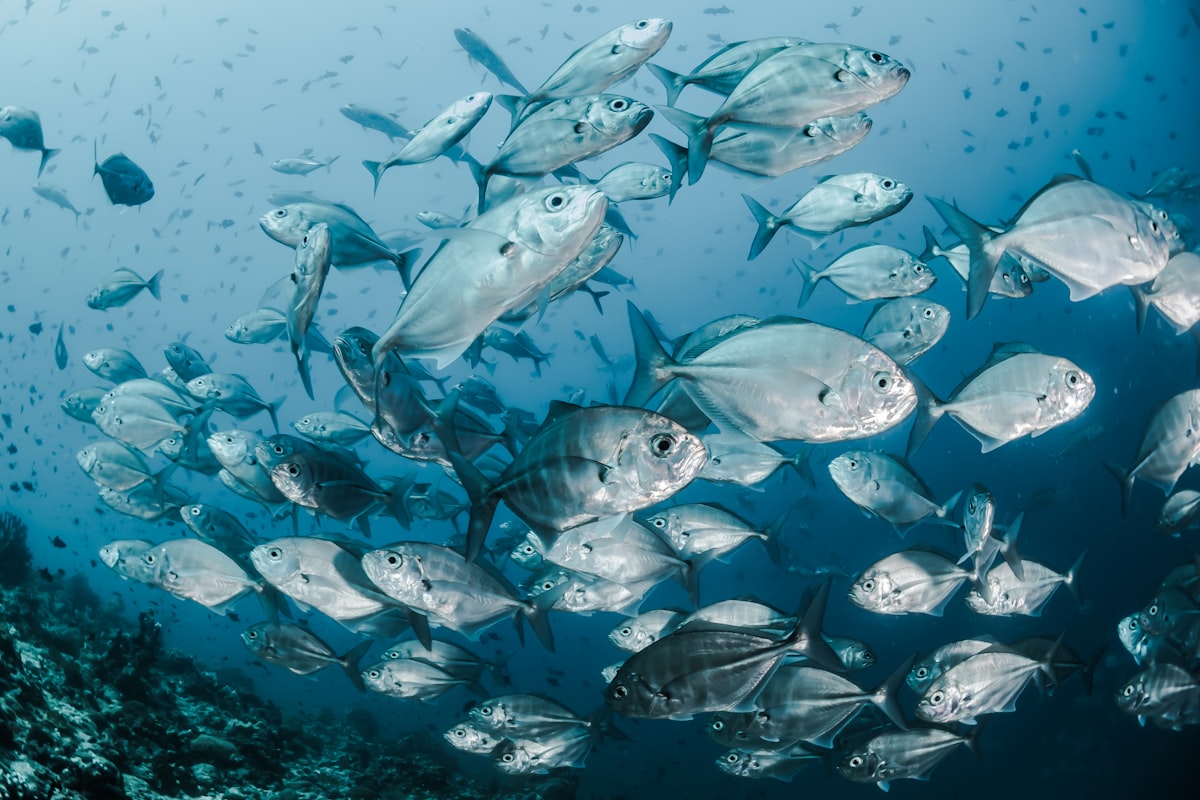
Transfer planning is crucial - speedboats connect the Malé Atolls efficiently
Transfers: the simple approach
- Malé Atolls: usually speedboat and often the easiest first trip
- Central and Southern: domestic flights often needed
- Charter boats: can bundle logistics into one surf-first plan
Use: Transfer Cost Calculator.
What to pack for reef breaks
- Reef booties (recommended)
- Rash vest and sun protection
- Reef-safe sunscreen
- Basic first aid for minor reef cuts
- Ear care items if you are prone to issues
If your group wants more than surf, add: Maldives Diving Guide and Maldives Visa Checker.
Sample itineraries (7, 10, and 14 days): realistic surf + holiday balance
These are templates you can actually use. Adjust the surf intensity based on your energy, conditions, and who you are traveling with. The goal is to leave the Maldives feeling better than when you arrived, not broken and rushed.
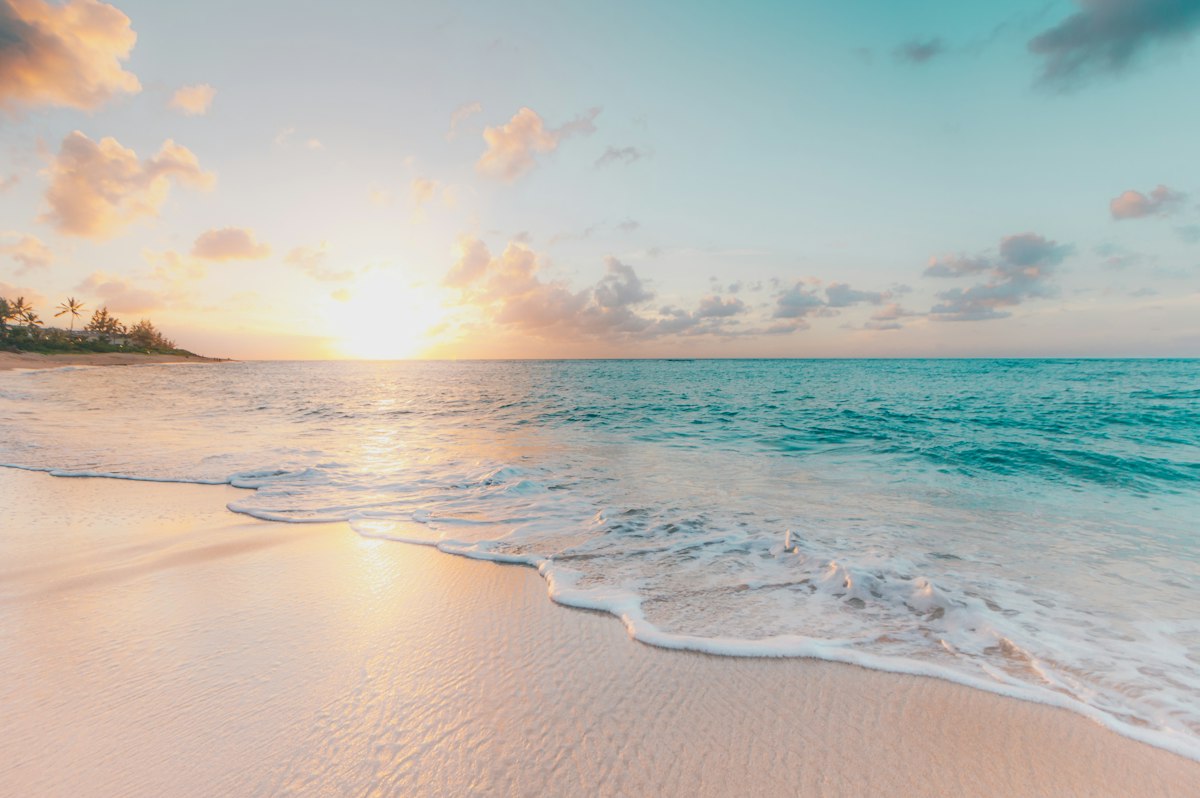
Balance surf sessions with relaxation for the best Maldives experience
7 days: Value local island surf week
- Day 1: Arrive, transfer, sunset walk, board setup
- Day 2: Surf session + short boat trip to a second break
- Day 3: Early surf, café lunch, snorkel or sandbank
- Day 4: Guided day to your best-matching breaks
- Day 5: Rest morning, surf later if conditions are friendly
- Day 6: "Best window" day, chase the best forecast
- Day 7: Final session, transfer back, depart
7 days: Family surf holiday at a resort
- Day 1: Arrive, lagoon swim, early night
- Day 2: Parent rotation: one surfs, one does kids activities
- Day 3: Snorkeling trip, light surf if conditions are calm
- Day 4: Guided surf for parents, family beach afternoon
- Day 5: Dolphin cruise, spa, slow day
- Day 6: Optional surf morning, family photos, sunset
- Day 7: Depart
10 days: Surf charter variety mission
Charters are built for flexibility. You adapt sessions to wind, tide, and crowds, and you usually surf more breaks over the week.
- Days 1 to 2: Arrival, warm-up breaks, dial in board choice
- Days 3 to 7: Core surf days, multiple breaks, sunrise and late sessions if conditions allow
- Day 8: Flexible day, chase the best window or add a snorkel and island visit
- Day 9: Final wave hunt, slower evening
- Day 10: Return and depart
14 days: Surf + Maldives highlights (for people who want more than surfing)
If you have two weeks, you can combine surf, resort comfort, and classic Maldives experiences without rushing. A common structure is: surf-focused first, then a resort wind-down, or the other way around.
- Days 1 to 7: Surf base (local island or surf resort) with consistent sessions
- Days 8 to 12: Resort comfort days, snorkeling, spa, excursions, romantic dinners
- Days 13 to 14: Flexible buffer for weather, shopping in Malé, departure
Want a guided plan? Use: Itinerary Generator and Your Maldives Dream Tour Builder.
Add-ons that make your surf holiday feel like a real Maldives trip
Even the most surf-focused travelers usually want a few classic Maldives moments. The nice part is that most add-ons fit around surf windows.
🤿 Snorkeling and marine life
Perfect on rest afternoons. It is also a win for non-surfers.
🐠 Diving days
Great for flat spells or rest days. Choose dive sites that match your comfort.
💕 Honeymoon and surf combo
Yes, you can do both. Split the trip into surf-first and romance-first.
FAQs: Maldives surf holidays
When is the best time to surf in the Maldives?
Is the Maldives good for beginner surfers?
What is the cheapest way to do a Maldives surf holiday?
Are Maldives surf holiday packages worth it?
Is the Maldives safe for family surf holidays?
What should I pack for a Maldives surf trip?
Can I combine surfing with a luxury resort stay?
How do I avoid crowds at Maldives surf breaks?
What is the best Maldives surf plan for mixed-skill groups?
How do I plan transfers without mistakes?
More HolidayVibe planning resources (internal links)
If you want to go deeper, these pages help you plan the full Maldives trip around your surf week.
- Ultimate Guide to the Maldives
- How to Choose the Right Maldives Resort
- Maldives for Families Complete Guide
- Maldives Luxury Travel Guide
- Maldives Diving Guide
- Resorts in Maldives
- Weather and Season Checker
- Transfer Cost Calculator
- Resort Price Calculator
- Resort Finder
- Visa Checker
- Resort Deal Tracker
- Itinerary Generator
- Dream Tour Builder