Whale Sharks
The world's largest fish, reaching up to 12 metres long. Despite their size, these gentle giants feed only on plankton. South Ari Atoll offers 95%+ sighting rates year-round — the best place on Earth for guaranteed encounters.
From gentle whale sharks and graceful manta rays to colourful reef fish and playful dolphins — the Maldives is home to one of the world's richest marine ecosystems. Here's everything you need to know about the incredible creatures beneath these turquoise waters.
The Maldives isn't just pretty beaches and overwater villas. Beneath those crystal-clear waters lies an underwater world that rivals anywhere on the planet. As an atoll nation that's 99% ocean, the Maldives is essentially a marine ecosystem with some islands scattered about.
The country's 26 atolls and 1,200 islands are surrounded by approximately 8,900 km² of coral reefs — the seventh largest reef system in the world and one of the most biodiverse. These reefs support an incredible array of life, from microscopic plankton to the world's largest fish, the whale shark.
What makes the Maldives special is accessibility. You don't need to be an expert diver to experience world-class marine encounters. Many of the most spectacular creatures — whale sharks, manta rays, sea turtles, dolphins — can be seen while snorkeling. Some can even be spotted from the jetty of your resort.
Did you know? The Maldives has five endemic fish species found nowhere else on Earth, including the Maldivian Clownfish (Amphiprion nigripes) with its distinctive orange and black colouring. Look for them in sea anemones on almost any healthy reef.

From gentle giants to tiny treasures, here's your guide to the incredible marine life waiting beneath the surface.
The world's largest fish, reaching up to 12 metres long. Despite their size, these gentle giants feed only on plankton. South Ari Atoll offers 95%+ sighting rates year-round — the best place on Earth for guaranteed encounters.
Graceful reef mantas with wingspans up to 4.5 metres. Hanifaru Bay in Baa Atoll hosts the world's largest manta feeding aggregation — up to 200 mantas in a single bay! The Maldives has the world's largest known manta population (5,000+).
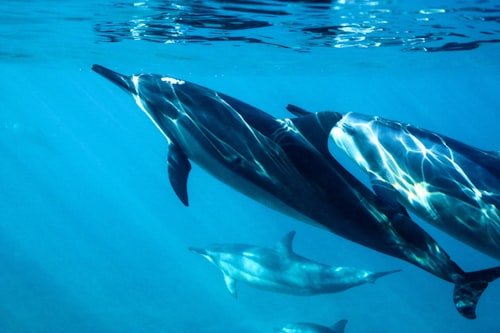
At least 21 species of whales and dolphins call these waters home. Spinner dolphins are most common — named for their acrobatic aerial spins up to 7 rotations! Sunset dolphin cruises have 90%+ success rates.
Five species visit Maldivian waters, with Green and Hawksbill turtles the most common. They're so abundant you have a 99% chance of seeing one! Often spotted grazing on seagrass or resting under coral overhangs.
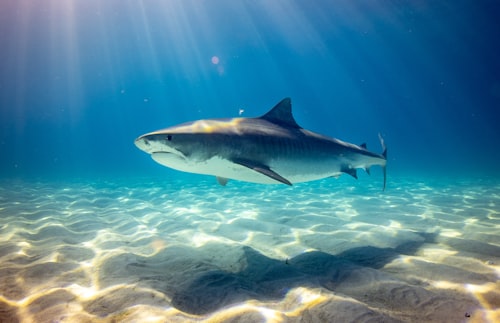
The Maldives has been a shark sanctuary since 2010. Blacktip reef sharks are common in shallow lagoons (harmless and skittish!). Grey reef sharks patrol channels, while Fuvahmulah offers tiger shark encounters for advanced divers.
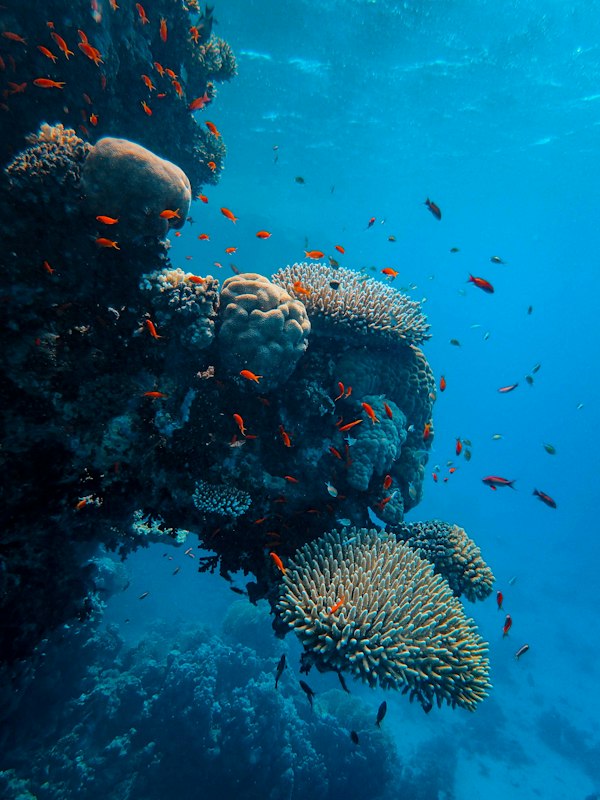
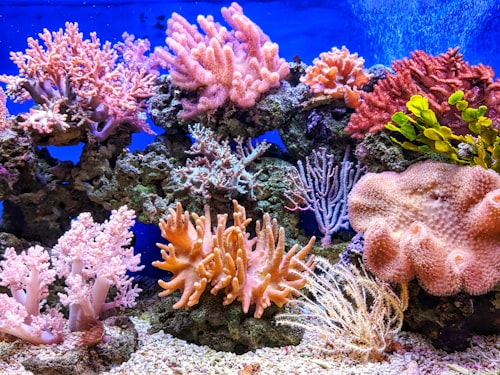
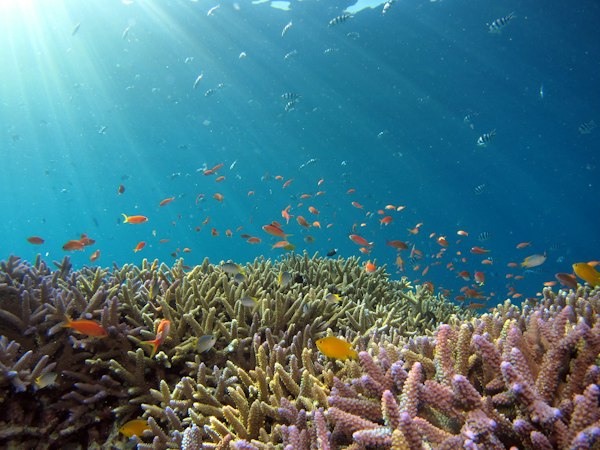
Over 2,000 fish species and 250+ coral species create a kaleidoscope of colour on every reef. Look for clownfish in anemones, parrotfish crunching coral, Napoleon wrasse with their distinctive forehead bump, and moray eels peeking from crevices.
While you'll see incredible marine life year-round, certain species have peak seasons. Here's when to plan your visit.
Calm seas, crystal visibility (30+ metres), and perfect conditions for underwater photography. Mantas migrate to the western side of atolls. Peak hammerhead season (Dec-Mar) with early morning dives at Rasdhoo.
Plankton-rich currents bring the megafauna! Peak manta season at Hanifaru Bay (Jun-Nov) with feeding frenzies of 100+ mantas. Great whale shark sightings. Mantas migrate to eastern atoll sides.
Year-round sightings: Sea turtles (99% chance), reef sharks (99%), dolphins (90% on cruises), whale sharks in South Ari (95%), eagle rays, and thousands of tropical reef fish. The Maldives delivers incredible marine encounters no matter when you visit!
Different atolls are famous for different species. Here's where to head for specific encounters.
Whale Shark Capital of the World
Year-round whale sharks, mantas, turtlesUNESCO Biosphere Reserve
World's largest manta aggregationHammerhead Hotspot
Hammerheads Dec-Mar, grey reef sharksTiger Shark Destination
Tiger sharks, threshers, oceanic mantasChannel Diving Paradise
Sharks, eagle rays, spinner dolphinsEasy Access from Airport
Excellent house reefs, dolphins, turtlesGood news — many incredible encounters are accessible without diving! Here's what you can see with each method.
No certification needed
For deeper encounters
For detailed snorkeling and diving information, check out our Complete Snorkelling Guide and Diving Guide.
Use our interactive Marine Life Spotter Guide to filter species by season, difficulty level, and location. Discover exactly what you can see during your trip!
Open Interactive Spotter Guide →Help protect the marine life you've come to see with these essential guidelines.
Stay 3+ metres from whale sharks and mantas. Let them approach you — never chase.
Never touch marine life or coral. Even gentle contact can cause harm or stress.
Avoid oxybenzone and octinoxate. Use mineral-based sunscreens only.
Flash photography disturbs marine animals. Use natural light only.
Slip into water gently. Splashing scares away marine life.
Leave shells, coral, and sand where they belong — in the ocean.
Early morning (6-8am) for hammerheads, afternoon for mantas, dusk for dolphins.
Weather changes daily. Multiple trips significantly increase sighting chances.
Not at all! Many of the most spectacular encounters are accessible to snorkelers. Whale sharks, manta rays, sea turtles, dolphins, and reef sharks can all be seen from the surface. In fact, whale shark encounters are actually best while snorkeling as they feed near the surface. Most resorts offer guided snorkeling trips to house reefs where you'll see incredible marine life without any certification.
The sharks in the Maldives are not dangerous to humans. The most common species — blacktip reef sharks, grey reef sharks, and nurse sharks — are generally shy and avoid contact. Whale sharks are gentle giants that eat only plankton. Even tiger shark encounters at Fuvahmulah are conducted safely with experienced guides. The Maldives has been a shark sanctuary since 2010, making it one of the safest places to observe these magnificent creatures.
Manta rays can be seen year-round, but peak season is June to November during the southwest monsoon. This is when plankton-rich currents sweep through Hanifaru Bay in Baa Atoll, creating the world's largest manta feeding aggregation — up to 200 mantas! The east side of atolls is best May-November, while the west side is best December-April as mantas follow the plankton.
South Ari Atoll is the whale shark capital of the world, offering 95%+ sighting rates year-round. This is the best destination on the planet for guaranteed whale shark encounters. While they're present all year, May to November during the southwest monsoon sees particularly high concentrations when plankton is most abundant.
Prices vary by resort and activity. Typical costs: Dolphin cruise $50-100, Whale shark excursion $150-250, Manta ray snorkeling $100-180, Two-tank dive $150-250, Night dive $80-150. Budget guesthouses on local islands often have more affordable options. Many resorts include house reef snorkeling as complimentary — some of the best encounters happen right off the jetty!
Yes! Snorkeling is suitable for children who can swim confidently. Many resorts offer junior marine biology programs for children aged 7-12, teaching them about marine life through fun activities. Dolphin cruises are family-friendly, and some resorts have special kids' programs with marine biologists. For diving, PADI Bubblemaker courses are available for children aged 8+.
Absolutely! The Maldives offers exceptional conditions for underwater photography. Crystal-clear visibility (often 30+ metres during dry season), abundant marine life, and diverse subjects from tiny nudibranchs to whale sharks make it a photographer's paradise. Many resorts offer professional underwater photography services and some have rental equipment available. Just remember — no flash photography around marine animals!
Swimming with giants
Graceful encounters
Sunset adventures
Best reefs & sites
Deep water adventures
Sea of Stars
Ultimate dive trips
Marine centres & programs
Whether you want to swim with whale sharks, watch manta rays dance, or simply snorkel over vibrant coral reefs — let us help you plan the perfect marine adventure.