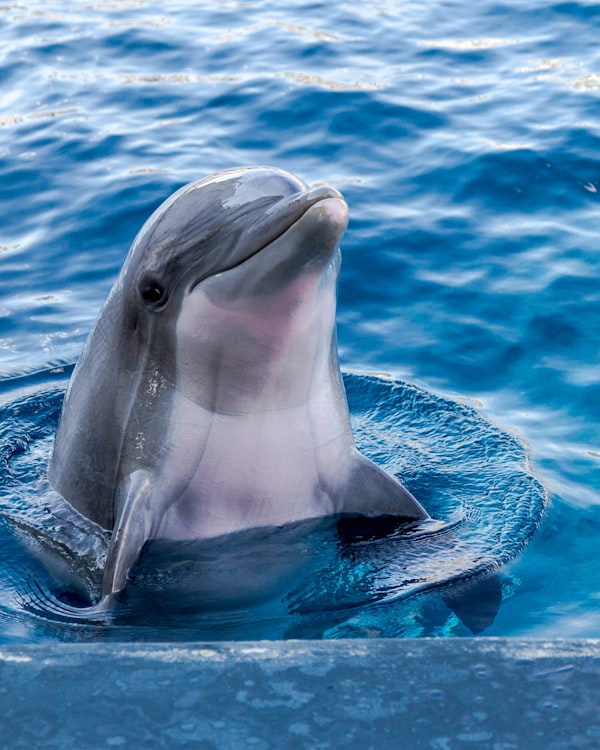
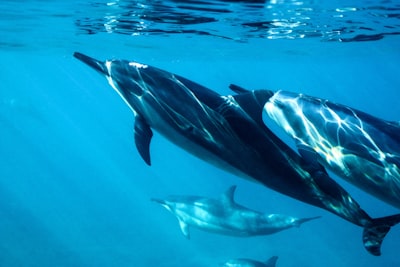
Spinner Dolphin
Stenella longirostris
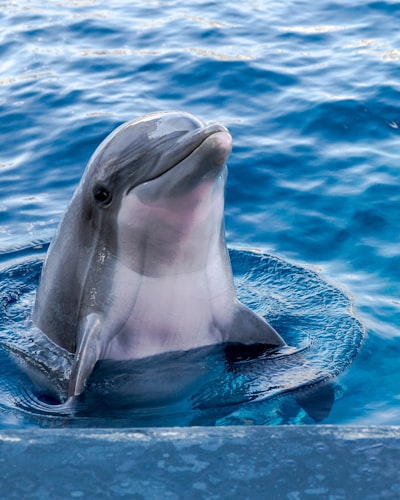
The star of Maldives dolphin cruises. Named for their aerial acrobatics — they're the only cetaceans that spin along their body axis while jumping. Typically seen in pods of 40-100, sometimes up to 800.
The Maldives is one of the world's best places to watch wild dolphins. Spinner dolphins put on acrobatic shows most evenings, leaping and spinning against the sunset. Here's everything you need to plan your own dolphin cruise.
Something magical happens in Maldivian waters most evenings. As the sun drops toward the horizon, pods of spinner dolphins begin their daily migration from deeper waters toward the atoll channels. And they don't do it quietly.
These dolphins spin. They leap up to three metres out of the water, rotating up to seven times before splashing back down. Scientists think they do this to shake off parasites, communicate with each other, or simply because it feels good. Whatever the reason, it's one of nature's best free shows.
The Maldives is home to 23 species of whales and dolphins — one of the richest cetacean populations in the Indian Ocean. The warm water (27-31°C year-round), abundant fish, and the unique atoll geography create perfect conditions. Dolphins use the channels between atolls as highways, making them predictable to find if you know where to look.
Good to know: Dolphin cruises in the Maldives have a sighting success rate of around 95%. While wild animals can never be guaranteed, the high concentration of resident dolphin populations means you're very likely to see them. Most cruises will search multiple spots to maximize your chances.

Eight dolphin species are commonly spotted in Maldivian waters. Here are the ones you're most likely to encounter on a cruise.
Stenella longirostris
The star of Maldives dolphin cruises. Named for their aerial acrobatics — they're the only cetaceans that spin along their body axis while jumping. Typically seen in pods of 40-100, sometimes up to 800.
Tursiops aduncus
The classic dolphin with the curved "smile." Larger than spinners with more identifiable scars. Often seen in smaller family groups of 5-30. Love to bow ride alongside boats.
Stenella attenuata
Especially common in offshore waters. Named for the spots that develop as they age — calves are born spotless. Known for their enthusiastic bow riding and fast swimming.
Grampus griseus
Large, distinctive dolphins covered in scars from squid and other Risso's. Older individuals appear almost white. A special sighting — they prefer deeper water away from atolls.
Stenella coeruleoalba
Identified by the distinctive dark stripe from eye to flipper. Highly energetic and acrobatic — they perform breaches, spins, and roto-tails. Often seen in large offshore groups.
Lagenodelphis hosei
Deep-ocean dwellers that sometimes form enormous schools of up to 1,000 individuals. Stocky build with a small beak. Will readily bow ride when encountered.
Steno bredanensis
Distinguished by their conical head that slopes smoothly to the beak (no crease). Prefer warm tropical waters. Often seen in smaller groups with other species.
Globicephala macrorhynchus
Technically a dolphin despite the name. Large and dark with a rounded forehead. Travel in stable family groups of 15-30. Often seen travelling with spinner dolphin pods.
Dolphins are active throughout the day, but timing affects your experience. Here's when to go.
4:30 PM – 6:30 PM
The most popular option for good reason. Spinner dolphins begin their daily migration from resting areas to feeding grounds as the sun sets. They're active, social, and often perform their famous aerial displays. Plus, the golden hour light makes for incredible photos.
7:00 AM – 9:00 AM
Dolphins are returning from their nighttime feeding to rest in sheltered bays. Research shows morning sightings can actually be higher in some locations. The calmer morning seas often make for smoother cruises and better photography conditions.
Any Month Works
Unlike seasonal migrations elsewhere, Maldivian dolphins are resident year-round. However, November to April offers calmer seas and better visibility. The southwest monsoon (May-October) brings choppier conditions but dolphins remain active.
Dolphins aren't randomly distributed. They follow predictable patterns based on geography and feeding opportunities.
The openings between atolls and the open ocean. Dolphins use these as travel corridors and hunting grounds. Strong currents attract fish, which attract dolphins.
Where the shallow lagoon drops off to deep water. Spinners rest in sheltered lagoons during the day and head to the edges at dusk to hunt in deeper waters.
Areas where the seafloor drops to 200-400 metres. Dolphins' prey — lanternfish, squid, shrimp — rise to these depths at night, and dolphins follow.
Spinner dolphins prefer resting above sandy bottoms where predators are more visible. Resorts near these areas often have reliable daytime sightings.
Where currents bring nutrients that attract fish. These are often near channel passes where tidal flow is strongest.
Dolphins are creatures of habit. Pods return to the same channels and bays for generations. Local boat captains know these patterns intimately.
From traditional dhonis to luxury yachts, there's a dolphin watching option for every preference and budget.
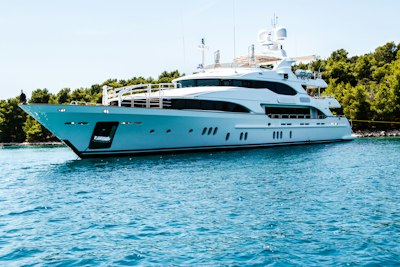
The classic Maldives experience. Dhonis are traditional wooden boats with covered decks — perfect for watching the sunset while searching for dolphins. Most resorts offer this as their standard dolphin excursion.
Faster and more flexible than dhonis. Speedboats can cover more area and reach dolphins quickly. Better for photography as you can reposition easily. Often used for morning trips or combining with other activities.
The ultimate experience. Private yachts offer champagne, canapés, and complete flexibility. Your captain follows dolphins as long as you like. Perfect for honeymoons, proposals, or special celebrations.
Guesthouses on local islands offer dolphin trips at lower prices. Often more authentic, with experienced local captains who know every dolphin hotspot. Good option if you're staying on a budget island.
Most cruises last 1.5-2 hours. You'll spend time searching (usually 15-30 mins), then watching dolphins for 20-45 minutes once found.
Resort dhonis carry 10-30 guests. Speedboats are smaller (6-15). Private charters guarantee just your group.
Bring a camera with good zoom (200mm+). Polarized sunglasses help you spot dolphins. Golden hour light is perfect for photos.
Most cruises include water and light snacks. Luxury options add champagne, canapés, and sunset cocktails.
Once found, responsible operators stay with dolphins for up to 30 minutes max. Multiple pods might be visited.
Around 95% success rate overall. Some locations like Baa Atoll report even higher. No sighting? Many resorts offer refunds or repeat trips.
Better operators include marine biologists or trained guides who explain dolphin behavior and species identification.
In-water encounters are generally not offered in the Maldives. Observation from boats is the standard — and the responsible choice.
While dolphins live throughout the Maldives, some atolls are particularly reliable for sightings.
Home to Four Seasons Kuda Huraa's dolphin research project. They've identified 416 spinners, 115 bottlenose, and 40 Risso's dolphins. Multiple channels provide excellent viewing opportunities.
Protected biosphere reserve with abundant marine life. Dolphin cruises from Soneva Fushi and Four Seasons Landaa regularly record 200-500 spinners per trip. Voavah channel is a hotspot.
Famous for marine life diversity. Afternoon cruises often combine dolphin watching with whale shark searches. Multiple channels attract both resident and passing pods.
Fulidhoo Island is famous among budget travelers for reliable spinner dolphin sightings. Local guesthouses offer personalized boat tours away from resort crowds.
Muli Channel reports 85% sighting success rates. Crystal-clear shallow waters make it ideal for photography. Less visited means fewer boats and more natural encounters.
Six Senses Laamu was first to implement a dolphin watching Code of Conduct. Their marine team monitors pod movements and behaviors. Excellent for responsible encounters.
Knowing what dolphins are doing helps you appreciate what you're seeing. Here are the behaviors you might witness.
The signature move. Spinner dolphins rotate up to seven times while airborne, reaching three metres out of the water. Scientists think it removes parasites, communicates excitement, or is simply play. Whatever the reason, it's spectacular to watch — especially when several dolphins spin together at sunset.
Dolphins love to ride the pressure wave created by moving boats. They'll position themselves just ahead of the bow and let the wave push them along — essentially surfing without effort. This is when you get the closest views, sometimes just a metre below the surface. Bottlenose dolphins are particularly enthusiastic bow riders.
Spinner dolphins travel in groups of 40-100 (sometimes up to 800). Mothers swim with calves positioned slightly behind and below. Pods rest in tight formation, moving slowly back and forth. At dusk, they form a "zig-zag" pattern before racing to feeding grounds — a signal to the whole group that it's time to hunt.
Reading dolphin signals: Tail-slapping usually means agitation — the dolphins want more space. If you see this, a good captain will back off. Rapid changes in direction or diving deep can also signal stress. Active, playful dolphins that approach the boat are comfortable with your presence.
Many cruises enhance the experience with additional elements. Here are popular combinations.
The classic pairing. Even if dolphins are elusive, the Maldivian sunset never disappoints. Most sunset cruises position for optimal golden hour views.
Luxury cruises often include champagne and canapés. Perfect for honeymoons, anniversaries, or proposals. Some resorts offer private "champagne sunset" packages.
Try traditional line fishing while waiting for dolphins. Catch-and-release or keep for dinner. The two activities use similar boat schedules and locations.
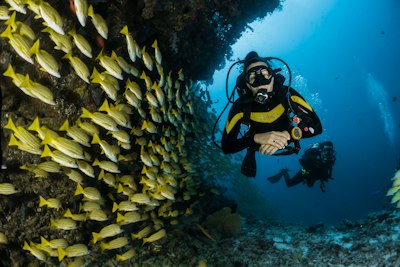
Some morning cruises include a reef snorkel before or after dolphin watching. Check the lagoon conditions — calm mornings are best for both activities.
Stop at a sandbank for photos or a picnic. A nice addition if the cruise passes suitable sandbars. Brings variety to the trip.
Some yachts extend into dinner under the stars. Dolphins at dusk, then a meal on deck. The ultimate romantic evening.
In South Ari Atoll, afternoon trips sometimes combine both. Search for whale sharks first, then dolphins at sunset. Long day but incredible if successful.
Premium operators include marine biologist guides who explain behavior, identification, and conservation. Turns sightseeing into learning.
Responsible operators maintain at least 50 metres from dolphins. Let them decide to approach — don't chase. If there are other boats, increase the distance.
Feeding wild dolphins disrupts natural behavior, creates dependency, and can spread disease. It's harmful even with good intentions.
Boats should approach from the side at slow speeds (under 6 knots within 150m). No sudden changes in direction or speed. Dolphins can hear engines from far away.
If you see small calves, move away. Young dolphins are vulnerable to stress, and mothers will try to shield them. Their welfare comes first.
Stay with dolphins for maximum 30 minutes, then move on. They need to rest, feed, and socialize without constant boat presence.
Dolphins communicate through sound. Excessive engine noise and shouting can disrupt their social behavior. Speak quietly and avoid sudden loud noises.
Choosing responsible operators: Look for resorts that employ marine biologists, limit boat numbers around dolphins, and follow viewing codes of conduct. Six Senses Laamu, Four Seasons, and Gili Lankanfushi are known for their responsible practices. Ask about their guidelines before booking.
Late afternoon (3:30-5:00 PM) leading into sunset is the peak time. Spinner dolphins are most active as they transition from resting to feeding. The golden hour light also makes for beautiful photos. That said, morning cruises can also be productive — research at some resorts shows sighting numbers are actually higher in mornings. The dolphins are returning from feeding and can be easier to find in specific bays.
Very likely — around 95% of cruises result in sightings. The Maldives has resident dolphin populations that follow predictable patterns, and experienced captains know where to find them. Some locations like Muli Channel in Meemu Atoll report 85%+ success rates even in challenging conditions. If you don't see dolphins, many resorts offer a complimentary repeat trip or partial refund.
Swimming with wild dolphins is generally not offered or recommended in the Maldives. Observation from boats is the standard practice. This protects the dolphins from harassment and keeps encounters sustainable. Some dolphins may naturally approach snorkelers in the water, but this happens by chance, not as an organized activity. The Maldives prioritizes responsible wildlife tourism.
Prices vary by resort category and cruise type. Standard resort dhoni cruises cost $50-100 per person. Speedboat trips run $60-120. Local island guesthouses offer trips from $30-60. Private yacht charters start around $800-1,500 for the whole boat (up to 6-8 guests). Children usually receive 50% discount, and toddlers often go free. Most prices include refreshments.
Dolphins are resident year-round, so there's no bad season. However, the dry season (November-April) offers calmer seas and better visibility, making cruises more comfortable and photography easier. The southwest monsoon (May-October) brings choppier conditions, but dolphins remain active. Some species like pilot whales may be more common during certain months, but spinner dolphins are reliable throughout the year.
Absolutely — it's one of the best family activities in the Maldives. Children love seeing dolphins leap and spin. Most cruises welcome kids of all ages. Just ensure you bring sun protection and motion sickness medication if your child is sensitive. The short duration (1.5-2 hours) suits children's attention spans, and the excitement of spotting dolphins keeps them engaged.
Use continuous/burst shooting mode to capture fast action. A fast shutter speed (1/1000s or faster) freezes jumping dolphins. Higher ISO may be needed as light fades. A zoom lens (200mm+) helps you get close shots without approaching too near. Polarized sunglasses help you spot dolphins before they surface. Smartphone cameras work for closer encounters, but dedicated cameras capture better action shots.
Spinners are smaller (1.3-2.4m vs 2-2.7m), have a longer snout, and are tricolored (dark back, lighter middle, white belly). They travel in large pods (40-100+) and spin aerially. Bottlenose are larger, have the classic curved "smile," more scars, and travel in smaller family groups (5-30). Bottlenose are more likely to approach boats for bow riding, while spinners put on aerial shows from a distance.
All Maldives species
Sunset cruises & more
Sunset fishing trips
Gentle giant encounters
Where to see mantas
Multi-day ocean trips
Best reefs & tips
Complete activity hub
Book a resort with reliable dolphin encounters and let us help you plan the perfect cruise. Whether it's a romantic sunset for two or a family adventure, the dolphins are waiting.