
Witness nature's most magical light show as beaches glow with ethereal blue light — a bucket-list experience that feels like swimming through a galaxy
The Maldives is famous for its white sand beaches and crystal-clear lagoons. But when the sun sets and darkness falls, something extraordinary happens on certain beaches. The water begins to glow with an otherworldly blue light — as if the stars have fallen from the sky and settled in the ocean. This is the "Sea of Stars," one of nature's most breathtaking phenomena, and witnessing it should be on every traveler's bucket list.
The glowing waves, sparkling footsteps in wet sand, and luminous trails left by fish swimming beneath the surface create an almost surreal experience. It's the kind of thing that makes you question whether you're dreaming or awake. Maldivians call this phenomenon "Redhan lun," and there are ancient stories of locals who believed it was an omen from the sea itself.
This guide covers everything you need to know about experiencing bioluminescence in the Maldives — from the science behind it to the best beaches, optimal timing, and photography tips.
Bioluminescence is light produced by living organisms through chemical reactions in their bodies. In the Maldives, the glowing effect comes from microscopic marine organisms called dinoflagellates — specifically a species known as Noctiluca scintillans (sometimes called "sea sparkle") and Lingulodinium polyedrum.
When these plankton are disturbed — by waves, swimming, or any water movement — a chemical called luciferin reacts with oxygen in a reaction catalyzed by the enzyme luciferase. This produces "cold light" (light without heat), resulting in the characteristic blue glow. It's essentially a defense mechanism to startle predators or attract larger predators to eat whatever is disturbing them.
The plankton naturally drift on ocean currents and can accumulate near shorelines, especially in calm bays and protected coves. When waves crash on the beach or you walk through the shallows, the disturbance triggers the light reaction. On nights with high plankton concentration, the effect can be stunning — every wave breaking becomes a cascade of blue light, and your footsteps leave glowing trails in the wet sand.
Interestingly, these organisms have an internal biological clock and only produce light at night. Even if you put them in a dark room during the day, they won't glow. This circadian rhythm means you'll only see bioluminescence after sunset.
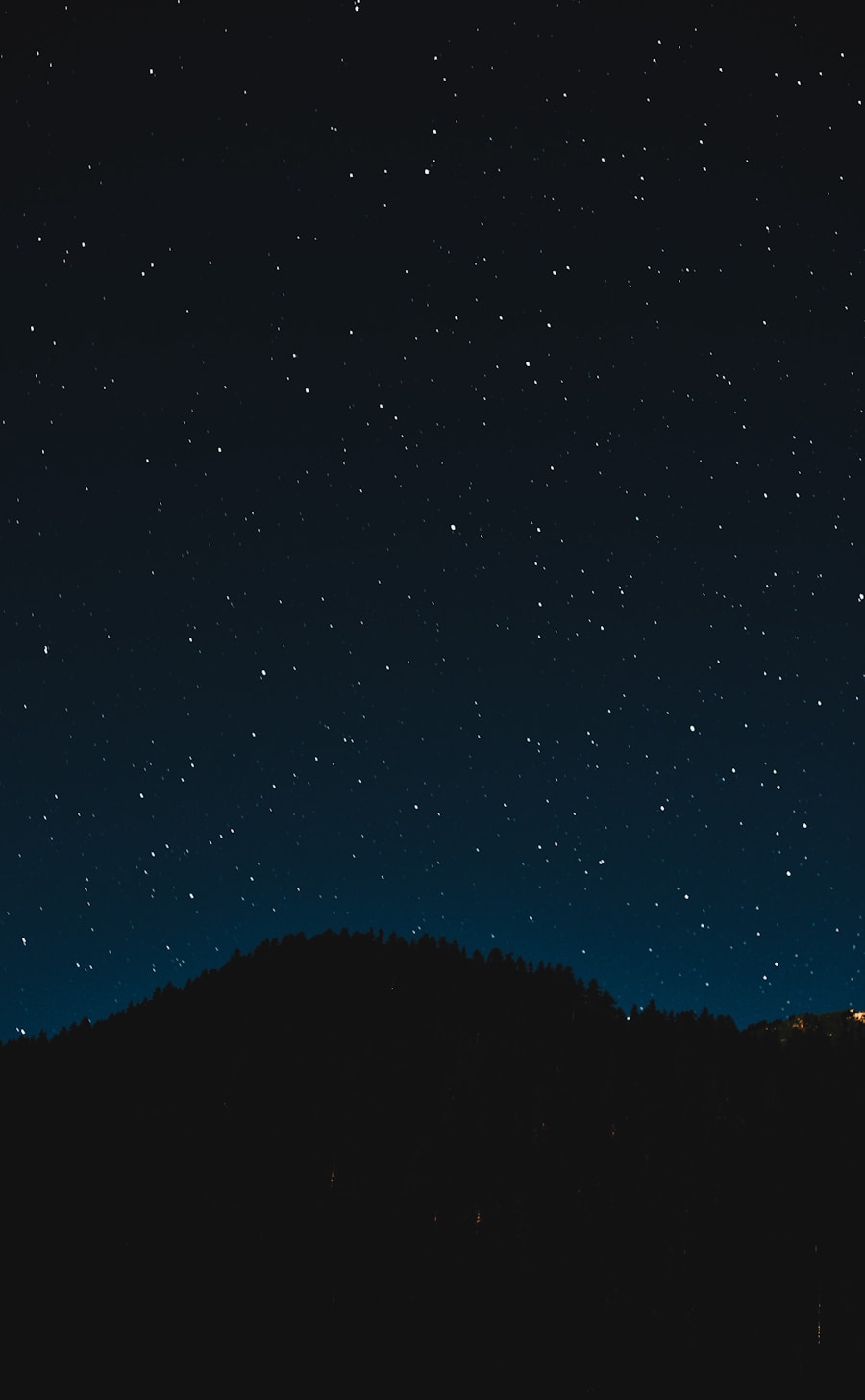
Bioluminescent plankton creates an ethereal blue glow when disturbed by waves crashing on the shore
While bioluminescence can technically occur anywhere in the Maldives when conditions are right, certain islands have become famous for more frequent and spectacular displays.
📍 Raa Atoll
The island that made the Maldives' "Sea of Stars" world-famous. Vaadhoo went viral in the 2010s and remains the most iconic spot. Low light pollution and community-run guesthouses make it ideal for witnessing the phenomenon.
📍 Baa Atoll
Located within the UNESCO Biosphere Reserve, Mudhdhoo offers pristine waters teeming with marine life. The Dusit Thani resort here experiences regular bioluminescent displays, especially during late summer.
📍 Lhaviyani Atoll
Home to Kuredu Island Resort, this island experiences bioluminescence when lagoon waters are warm. The resort offers various villa types and organizes night excursions during peak season.
📍 Baa Atoll
A remote local island with shallow lagoons and minimal development. The remote beaches and lack of artificial light make Fulhadhoo excellent for spotting bioluminescence. Budget-friendly guesthouses available.
Bioluminescence isn't limited to these islands — it can appear on any of the 1,200+ Maldivian islands when conditions align. Other reported locations include:
Timing is everything when it comes to bioluminescence. While the phenomenon can technically occur year-round, certain conditions dramatically increase your chances of witnessing it.
The darkest nights — around the new moon phase — offer the best visibility. Moonlight competes with the subtle glow of plankton, so bright moon phases significantly reduce visibility. Plan your trip around the new moon for the best experience, or at least avoid full moon nights.
■ Peak Season ■ Good Chance ■ Fair Chance ■ Low Chance
The southwest monsoon season (June to October) brings nutrient-rich currents that fuel plankton blooms. The warmer water temperatures during these months create ideal conditions for dinoflagellates to thrive and multiply. Peak months are typically July through September, when plankton concentrations reach their highest levels.
Plan your visit about 5 days after a full moon — the skies are dark enough for good visibility, and you avoid the crowds who all arrive exactly on the new moon. The period from mid-May through late October offers the best combination of plankton activity and dark nights.
Beyond moon phase and season, several other factors influence visibility:
Local islands offer an authentic Maldivian experience at a fraction of resort prices. Many have minimal light pollution, which is perfect for bioluminescence viewing.
Raa Atoll • Population ~600
The original "Sea of Stars" island. Guesthouses like Vaadhoo View Inn offer affordable stays with direct beach access. Locals can guide you to the best viewing spots.
Baa Atoll • Remote & Quiet
A hidden gem with remote beaches and shallow lagoons. Budget guesthouses available. The lack of development means very dark beaches — ideal conditions.
Several resorts are located near known bioluminescence hotspots and organize special night excursions during peak season.
Mudhdhoo Island, Baa Atoll
Located on one of the most reliable bioluminescence beaches. The resort offers guided night walks and keeps light pollution minimal on beach-facing sides.
Kunfunadhoo Island, Baa Atoll
This barefoot luxury resort in Baa Atoll's UNESCO Biosphere Reserve occasionally experiences spectacular bioluminescence, especially during monsoon season.
Lhaviyani Atoll
The resort's warm lagoon creates conditions favorable for bioluminescence. Various room types from bungalows to overwater villas, plus night diving options.
South Malé Atoll
Adults-only resort with overwater villas offering direct access to waters that sometimes display bioluminescence. Night snorkeling tours available.
The key is avoiding artificial light. At resorts, head to the far end of the island away from restaurants and lit pathways. On local islands, the best beaches are usually on the opposite side from the village. Ask locals or resort staff — they'll know the darkest spots and recent sighting locations.
There are several wonderful ways to experience the glowing waters, from simple beach walks to more adventurous options.
The simplest way to experience it. Walk barefoot through the wet sand and shallow water. Your footsteps will leave glowing trails, and each small wave creates a cascade of blue light.
The most immersive experience. Every movement creates swirls of light around your body. The plankton is completely harmless — you're essentially swimming through a galaxy.
Paddle through luminous waters as your oars leave glowing trails. Many resorts offer night kayaking during bioluminescence season. A truly magical experience.
Some resorts organize night snorkeling tours where you can see bioluminescent fish and glowing trails underwater. You might also spot nocturnal reef creatures.
Bioluminescent plankton is completely safe and non-toxic. Swimming among the glowing organisms poses no health risks whatsoever. The only danger is being so mesmerized you forget about basic night swimming safety — always swim with a buddy and be aware of currents.
Capturing bioluminescence is challenging but rewarding. Many viral photos are long-exposure shots that make the glow appear brighter than what you see with your eyes — set realistic expectations, but great photos are definitely possible.
Modern smartphones have improved dramatically for low-light photography, but bioluminescence remains challenging. If you're using a phone:
Many viral bioluminescence photos use heavy post-processing or composite multiple exposures. The glow is real, but it's subtler to the naked eye than some photos suggest. That said, when conditions are perfect, the display can be genuinely breathtaking — and the memory of actually being there is worth more than any photo.
The bioluminescence is essentially a survival mechanism. When a dinoflagellate is disturbed — by a wave, a fish, or your hand — it interprets this as a potential predator attack. The flash of light serves two purposes: it startles the predator (like a miniature flashbang), and it can attract larger predators that might eat whatever is attacking the plankton. It's a clever evolutionary trick called the "burglar alarm" hypothesis.
Dinoflagellates play a crucial role in ocean ecosystems. They're primary producers, converting sunlight into energy through photosynthesis during the day. They form the base of many marine food chains and are eaten by zooplankton, which are in turn eaten by fish. The bioluminescence, while spectacular to us, is just one part of their complex life cycle.
The same type of plankton that creates the magical glow can, in very high concentrations, form what's called a "red tide" during the day — the water takes on a pinkish or reddish hue. If you see this during daylight hours, there's a good chance that beach will glow after dark. Locals and experienced guides look for these daytime signs to predict nighttime displays.
Make the most of your dark nights by combining bioluminescence hunting with other nocturnal activities:
Local islands: Budget $100-150/night for guesthouses. Bioluminescence excursions to Vaadhoo from other islands cost $150-200/person including speedboat transfer.
Resorts: $300-1,000+/night depending on resort level. Most organized bioluminescence tours are included or cost $50-100 extra.
No, bioluminescence is a natural phenomenon that depends on plankton concentration, water conditions, moon phase, and other factors. Even in peak season (June-October), sightings aren't guaranteed on any specific night. Stay multiple nights and visit during new moon phases to maximize your chances. Think of it as a special bonus if you see it, not a guaranteed attraction.
Yes, completely safe. The bioluminescent plankton (dinoflagellates) are harmless to humans. Swimming among the glowing organisms is one of the most magical experiences you can have. The only considerations are normal night swimming safety — swim with a buddy, be aware of currents, and don't venture too far from shore in darkness.
Potentially yes — bioluminescence can occur anywhere when conditions are right. However, certain islands like Vaadhoo (Raa Atoll), Mudhdhoo (Baa Atoll), and Kuredu (Lhaviyani Atoll) are known for more frequent displays. Your chances are best on islands with minimal light pollution, warm shallow waters, and during the southwest monsoon season.
Head to the beach after 9 PM once it's fully dark and your eyes have time to adjust. The glow is often most visible in the first few hours after complete darkness. Give your eyes at least 15-20 minutes away from any light source (including your phone) to fully adjust to the darkness — this makes a huge difference in what you can perceive.
Most photos are long-exposure shots that accumulate more light than your eyes see instantly. The real-life glow is subtler but still magical. On exceptional nights with high plankton concentration, the display can be quite vivid — visible trails from waves, glowing footsteps, and luminous splashes. Manage expectations but don't be disappointed; the actual experience is enchanting.
Not necessarily. If you're staying on an island known for bioluminescence, simply walking to a dark beach at night is often enough. Tours are useful if you're staying elsewhere and want to visit specific islands like Vaadhoo, or if you want guided night snorkeling or kayaking experiences. Many resorts organize complimentary beach walks during peak season when conditions look favorable.
Let us help you plan a magical Maldives trip that includes bioluminescence viewing. We'll recommend the best islands, timing, and accommodations for your dream experience.